

What is the difference between pecorino and parmesan?
Pecorino Romano is a type of hard cheese belonging to the Pecorino family. The word pecorino comes from Pecora, the Italian word for sheep, and in fact, all pecorino cheeses come from sheep’s milk (not just pecorino Romano). There are four main types of pecorino, but outside of Italy, you’re most likely to find pecorino Romano.
Its aroma is strong, and it features salty, smoky, spicy, and sharp flavour notes. The cheese is flaky and made with fresh, full-fat milk from Sarda sheep. It is aged for at least five months, and the flavour gets smokier and sharper after more than eight months. Due to its low moisture content, pecorino Romano isn’t easily meltable, but you’ll find it a terrific choice for grating.
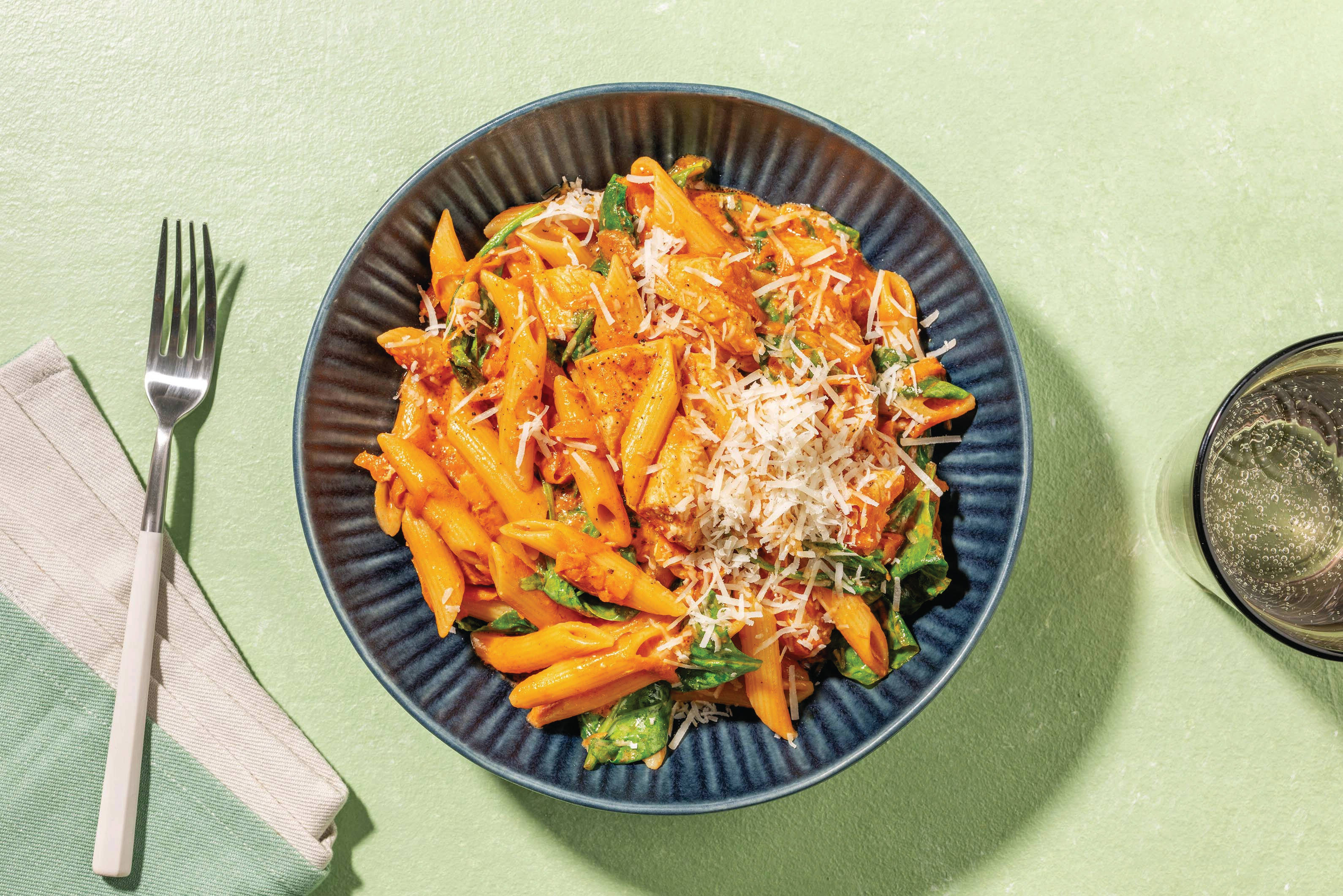
With its strong taste, pecorino Romano is a great fit for cacio e pepe (its most famous use), where it teams with the pop of black pepper. You can also enjoy it topped with honey or jam on a cracker. Since it has a strong flavour, you want to make sure to use it sparingly so as not to overwhelm a dish you’re just aiming to season.
Pecorino Romano was eaten by Roman soldiers during wartime, and ancient Roman authors, including Virgil and Pliny the Elder, have referenced cheese production techniques similar to that of pecorino.
Under European Union law, only the islands of Sardinia and Lazio (the region that houses Rome; hence, the name) and the Tuscan province of Grosseto are allowed to produce pecorino Romano. This Protected Designation of Origin title is meant to protect and symbolise the quality of cheeses made on unspoiled land with the milk of healthy sheep and using time-honoured traditions. You can tell a true pecorino cheese by the branding labels on its rinds, which include the date of production, the cheesemaker’s initials, and a stylised sheep’s head.