
Italian recipes

Pizza, pasta, risotto and more – there’s no shortage of delicious Italian recipes in the HelloFresh cookbook. Whether you’re looking for modern takes on traditional recipes, or old classics just like Nonna used to make it, this collection has it all.

Roasted Veggie Ribollita

with Plant-Based Pesto & Garlic Ciabatta

Quick Creamy Chorizo Farfalle

with Cherry Tomatoes & Double Parmesan

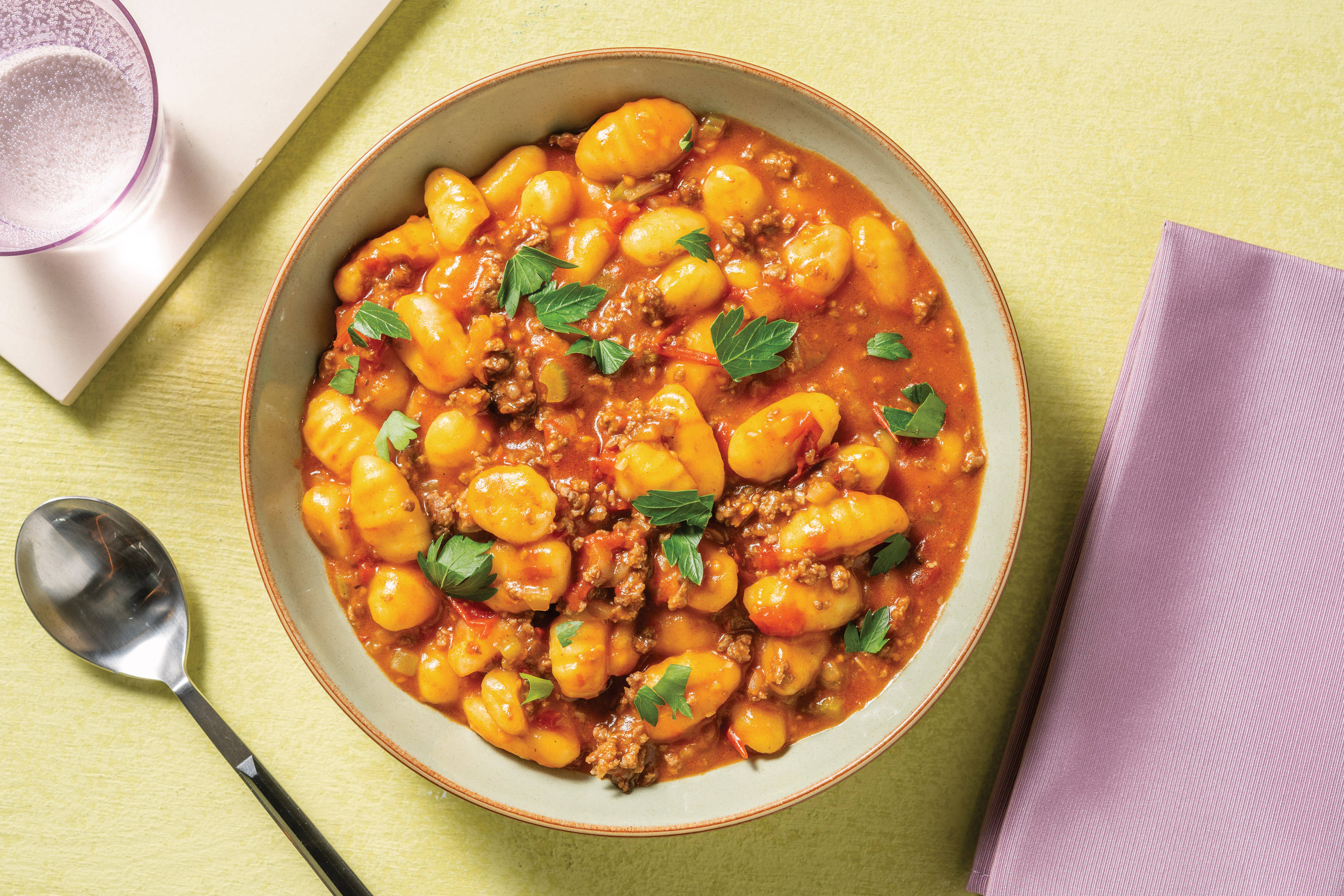
Italian Beef & Tomato Stew

with Mash, Parmesan & Garlicky Greens

Creamy Bacon & Roast Pumpkin Ravioli with Cherry Tomatoes

Pre-Prepped | Three Steps | Ready in 15

Quick Pork & Saucy Leek Fusilli

with Garlic-Parmesan Pangrattato

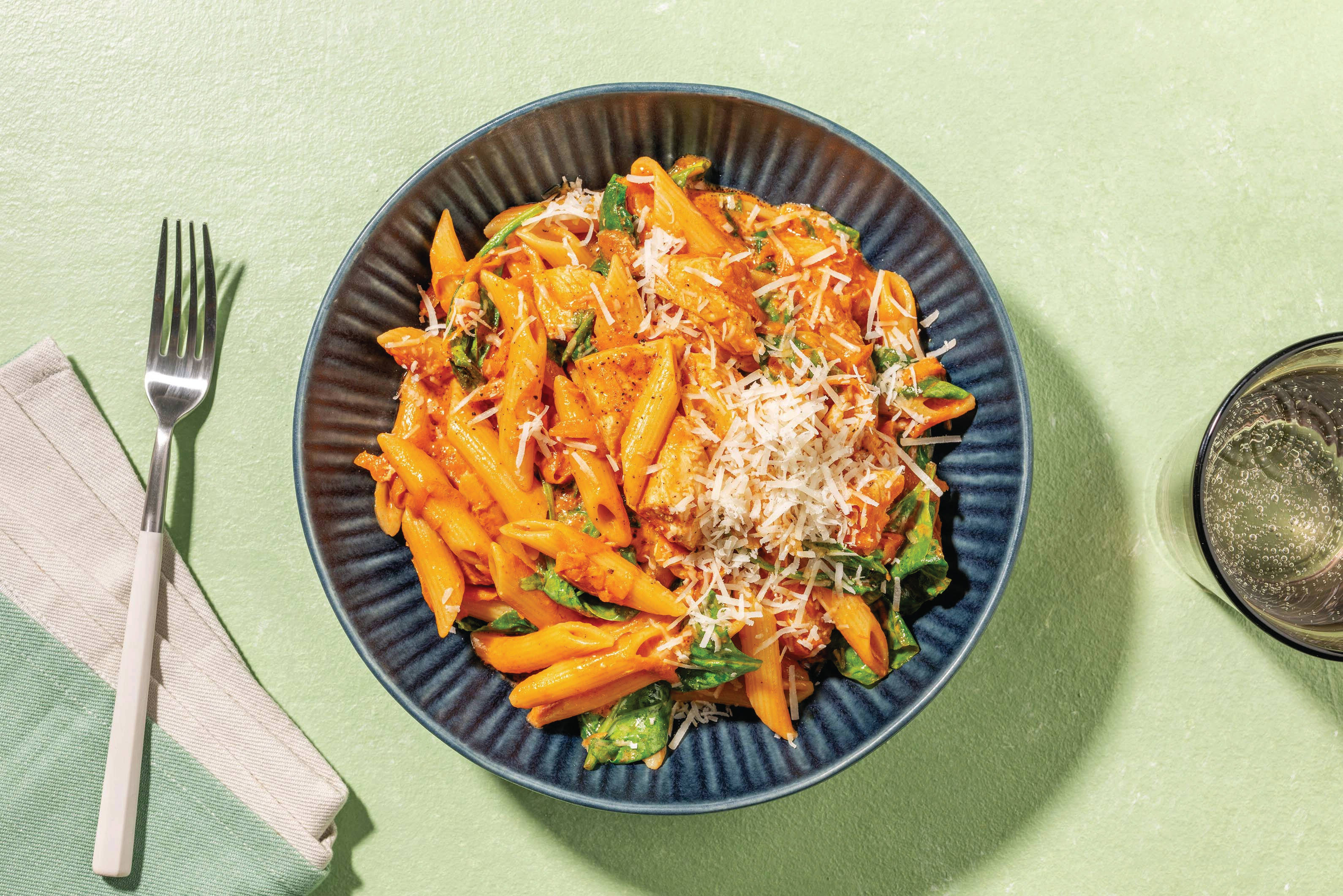
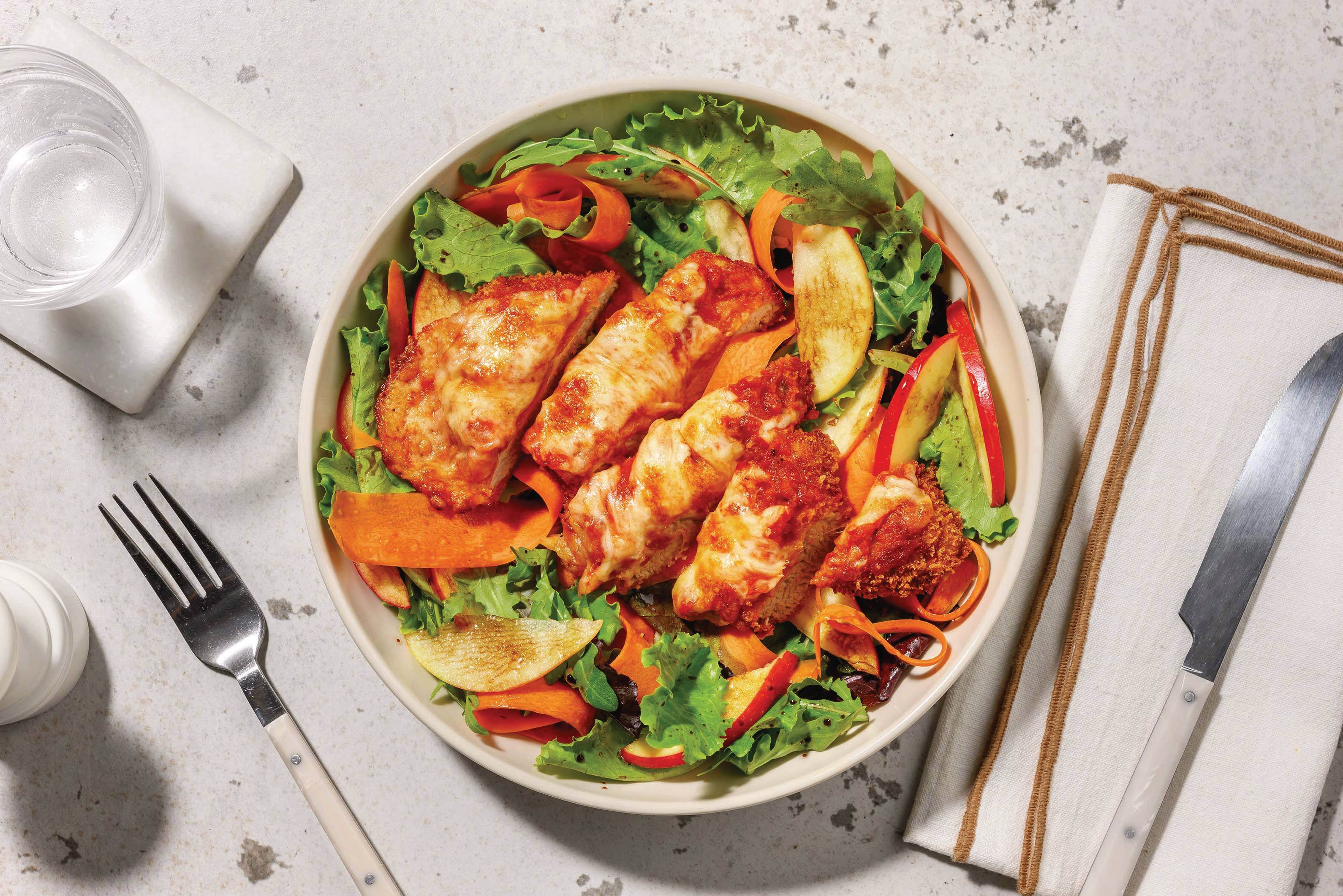
Creamy Chicken & Red Pesto Farfalle

with Herby Pangrattato & Apple Salad

Creamy Mushroom & Cherry Tomato Spaghetti

with Parmesan & Garlic Pangrattato

Basil Pesto & Roasted Pumpkin Risoni

with Lemon-Chilli Pangrattato & Crumbly Cheese

Beef Ragu Tortellini with Rocket-Pear Salad

Pre-Prepped | Three Steps | Ready in 15

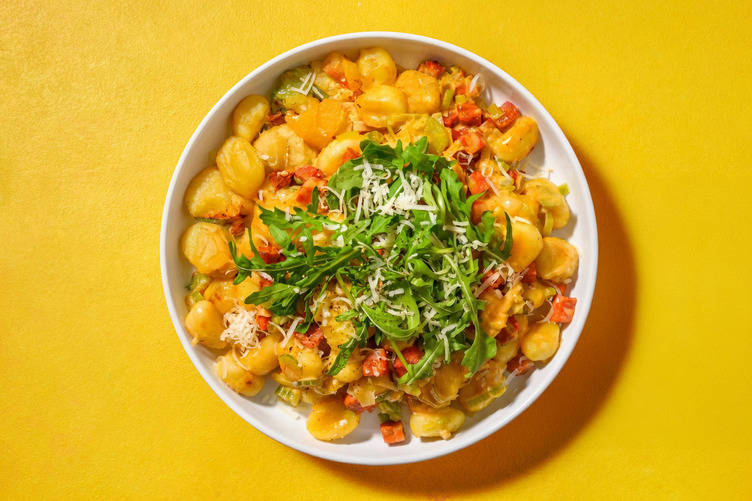
Easy Garlic & Herb Gnocchi Tray Bake

with Pear Salad & Melted Cheddar

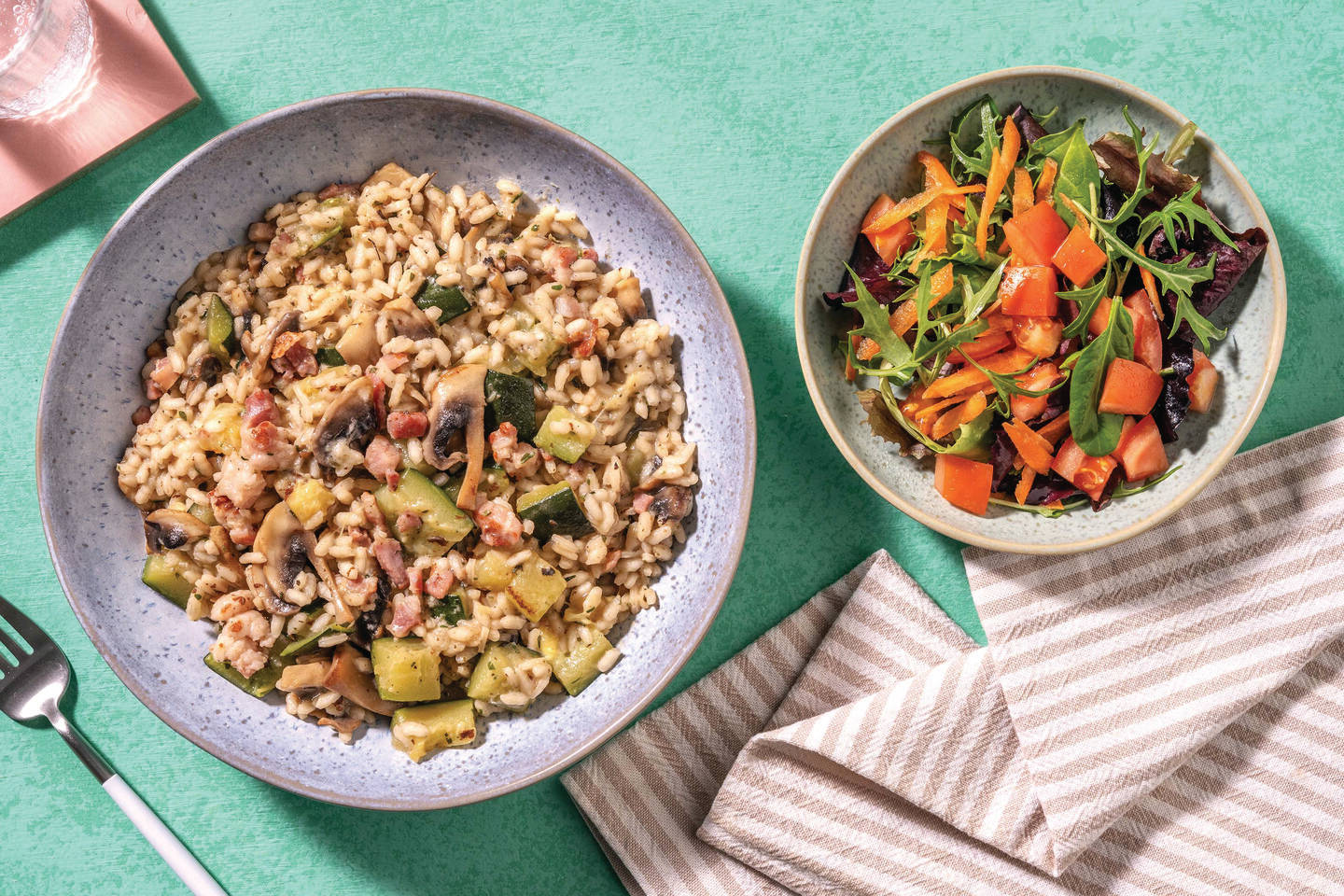
Bacon & Cherry Tomato Risotto

with Basil, Parmesan & Pine Nuts

Creamy Tomato & Chorizo Fettuccine

with Rocket & Parmesan Salad

Bacon, Cherry Tomato & Pesto Baked Risotto

with Parmesan & Toasted Walnuts

Beef & Roasted Veggie Fettuccine

with Parmesan & Basil

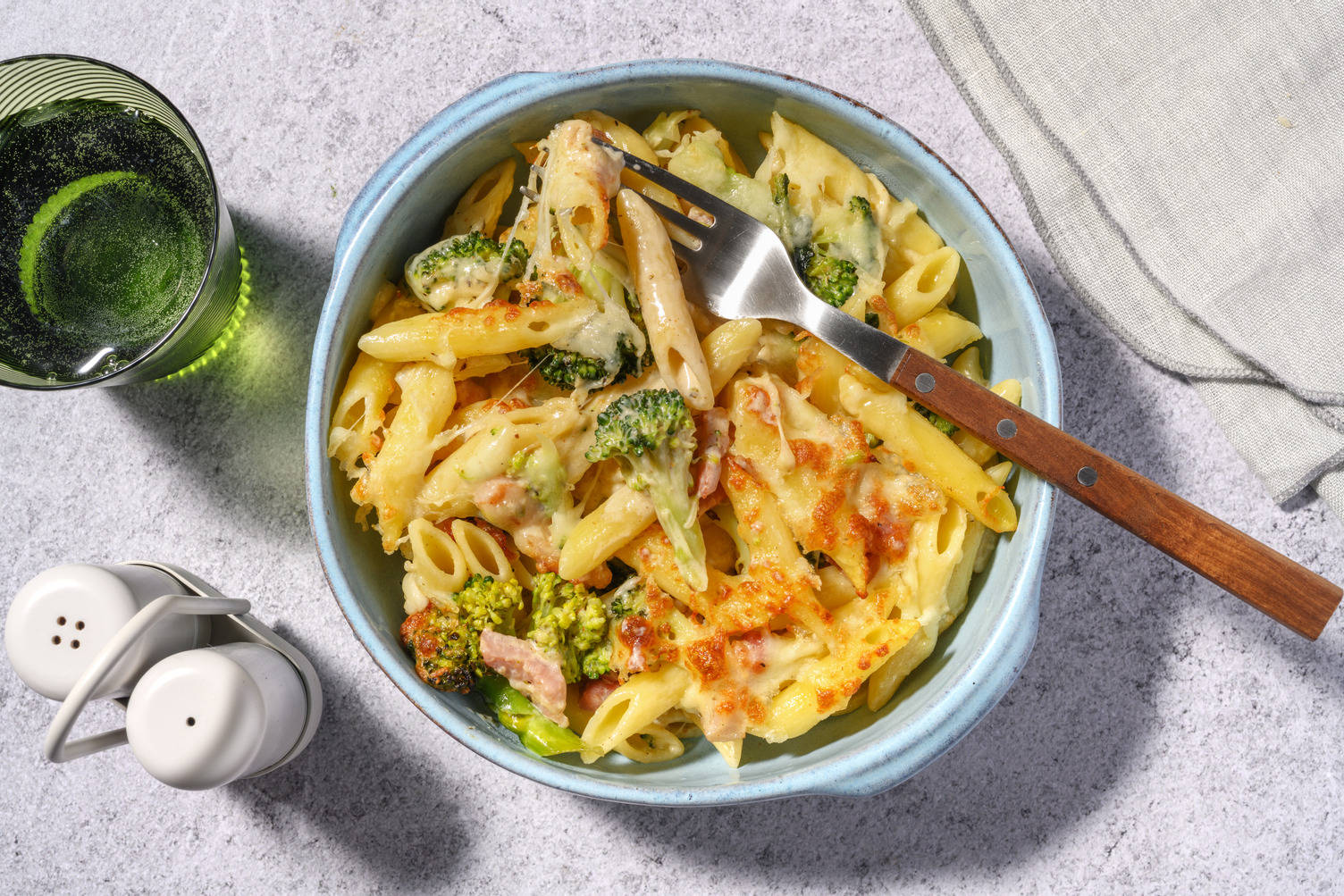
Easy Creamy Bacon & Garlic Farfalle

with Mixed Salad & Parmesan Cheese

Chicken Alfredo & Fresh Fettuccine with Roasted Almonds

Pre-Prepped | Three Steps | Ready in 15

Get inspired by our Italian recipes!

#FreshTips

Italian recipes

How to Cook Pasta Recipes Like an Italian

Pasta may seem like a simple enough dish, but the secret to perfecting anthis Italian recipe like our Tuscan Sausage and Pepper Spaghetti is to follow six essential rules.

  1. Add salt but skip the oil. Add about 10g of salt for every liter of cooking water. Salt brings out the flavor of the pasta and stops it from sticking together. Oil, on the other hand, prevents the sauce from sticking to the pasta once cooked and is never added to the cooking water in traditional Italian recipes.
  2. Wait for the water to boil. The water should be boiling rapidly before adding salt. This is because salt lowers the boiling point of water and will result in under-cooked pasta if added too early. Once you’ve added the salt, wait one minute before adding the pasta.
  3. Never break the pasta in two. It doesn’t matter how long the spaghetti is, if you’re going to do the traditional Italian recipe justice you should never snap the pasta before cooking. Instead, use a large pot and very carefully guide the pasta into the boiling water until it’s fully submerged.
  4. Give the pasta a stir. Once submerged, gently stir the pasta with a fork to prevent it from sticking together. This will allow the pasta to cook evenly.
  5. Save some of the cooking water. Save ¼ cup of the starchy cooking water and add it to the pasta sauce before draining the pasta. This will not only thicken the sauce but enhance the flavor, too.
  6. Serve it al dente. The perfect pasta is served still slightly undercooked, or al dente. The chewy texture means the pasta takes longer to digest, leaving you fuller for longer – although if you follow these tips you’ll likely be back for seconds in no time!

#FreshTips

Italian recipes

How to Cook Pasta Recipes Like an Italian

Pasta may seem like a simple enough dish, but the secret to perfecting anthis Italian recipe like our Tuscan Sausage and Pepper Spaghetti is to follow six essential rules.

  1. Add salt but skip the oil. Add about 10g of salt for every liter of cooking water. Salt brings out the flavor of the pasta and stops it from sticking together. Oil, on the other hand, prevents the sauce from sticking to the pasta once cooked and is never added to the cooking water in traditional Italian recipes.
  2. Wait for the water to boil. The water should be boiling rapidly before adding salt. This is because salt lowers the boiling point of water and will result in under-cooked pasta if added too early. Once you’ve added the salt, wait one minute before adding the pasta.
  3. Never break the pasta in two. It doesn’t matter how long the spaghetti is, if you’re going to do the traditional Italian recipe justice you should never snap the pasta before cooking. Instead, use a large pot and very carefully guide the pasta into the boiling water until it’s fully submerged.
  4. Give the pasta a stir. Once submerged, gently stir the pasta with a fork to prevent it from sticking together. This will allow the pasta to cook evenly.
  5. Save some of the cooking water. Save ¼ cup of the starchy cooking water and add it to the pasta sauce before draining the pasta. This will not only thicken the sauce but enhance the flavor, too.
  6. Serve it al dente. The perfect pasta is served still slightly undercooked, or al dente. The chewy texture means the pasta takes longer to digest, leaving you fuller for longer – although if you follow these tips you’ll likely be back for seconds in no time!

Recipes you'll love!

Get delicious recipes and all ingredients fresh on your doorstep every week!

Save money and time on your meals!