Sandwich Recipes

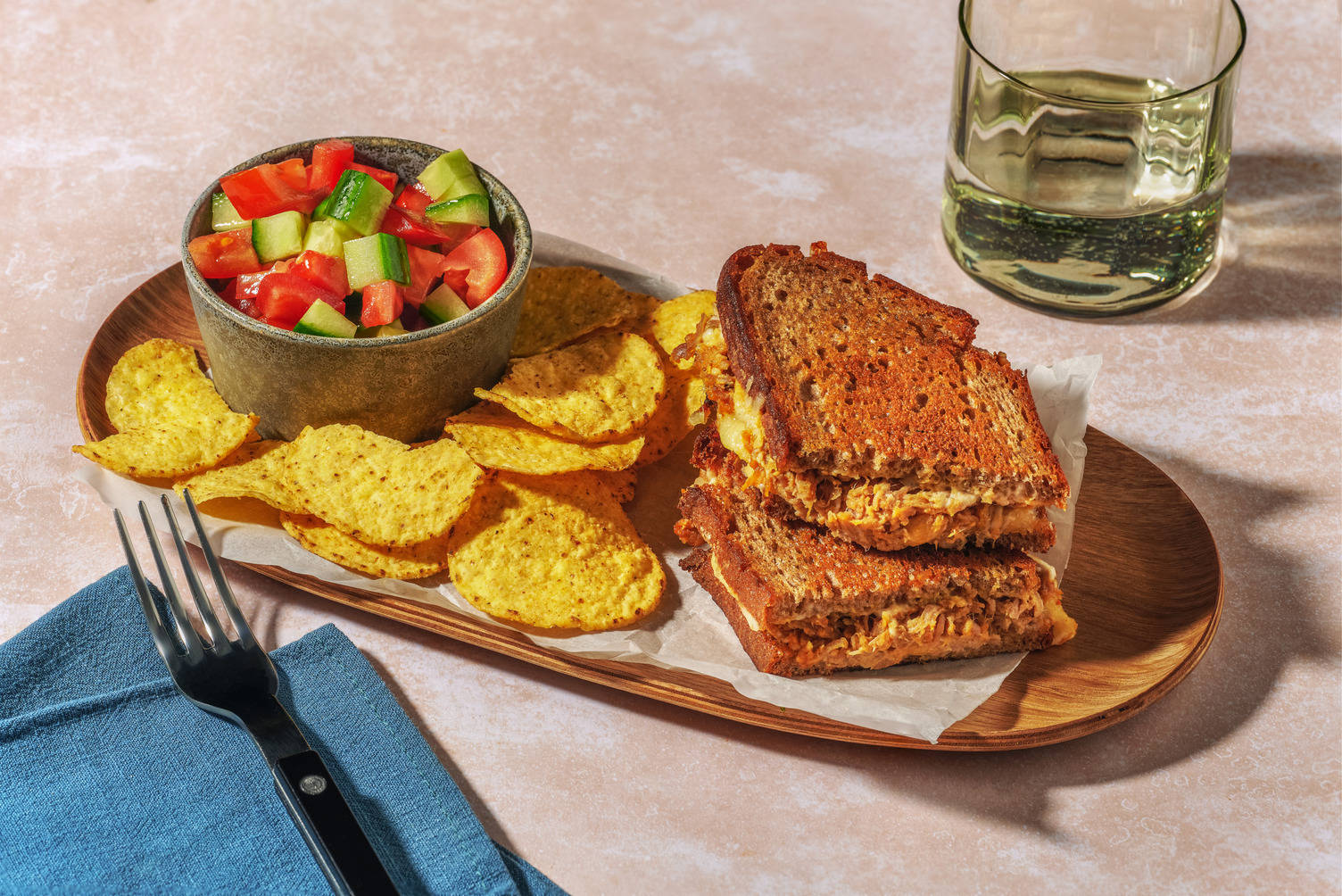
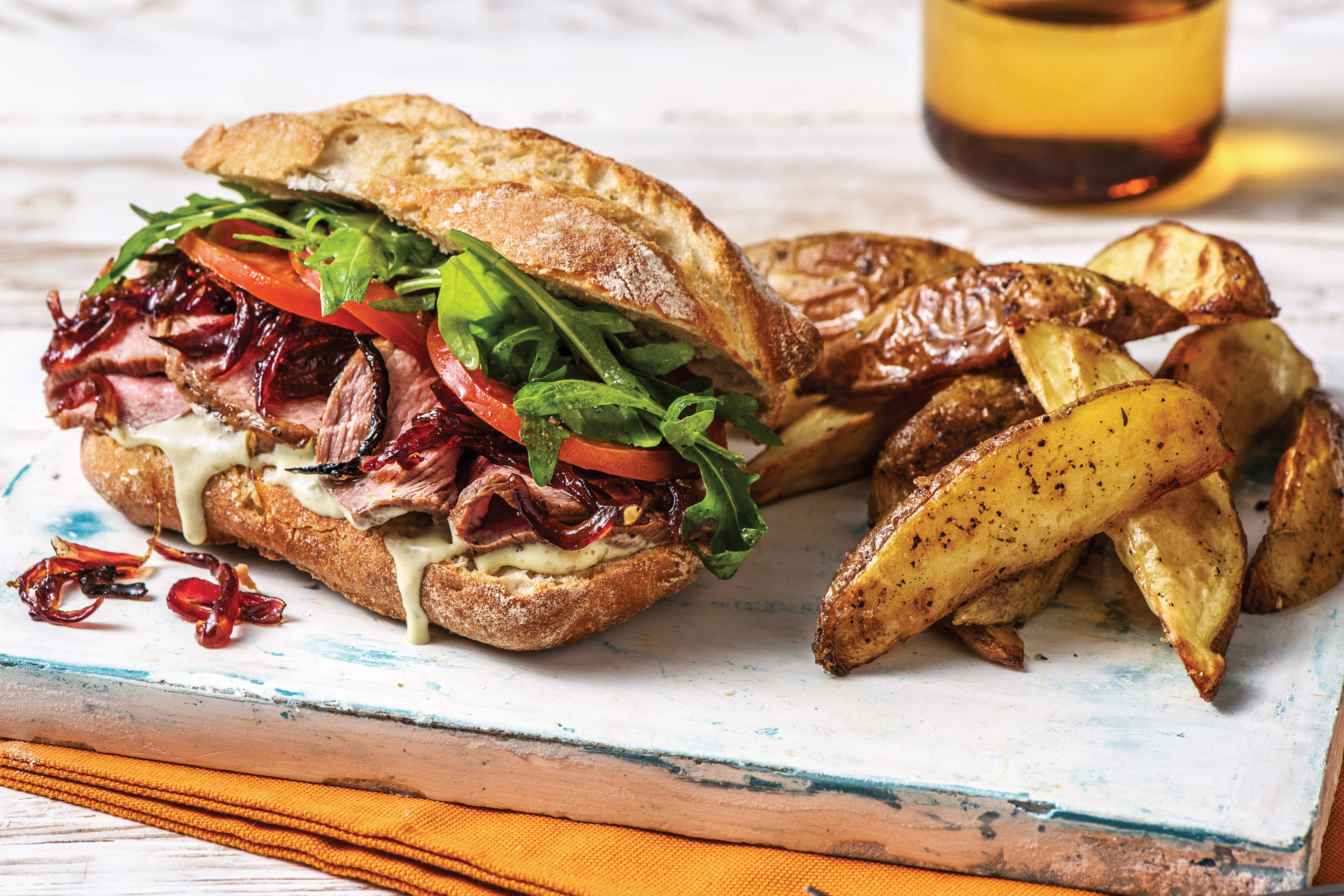
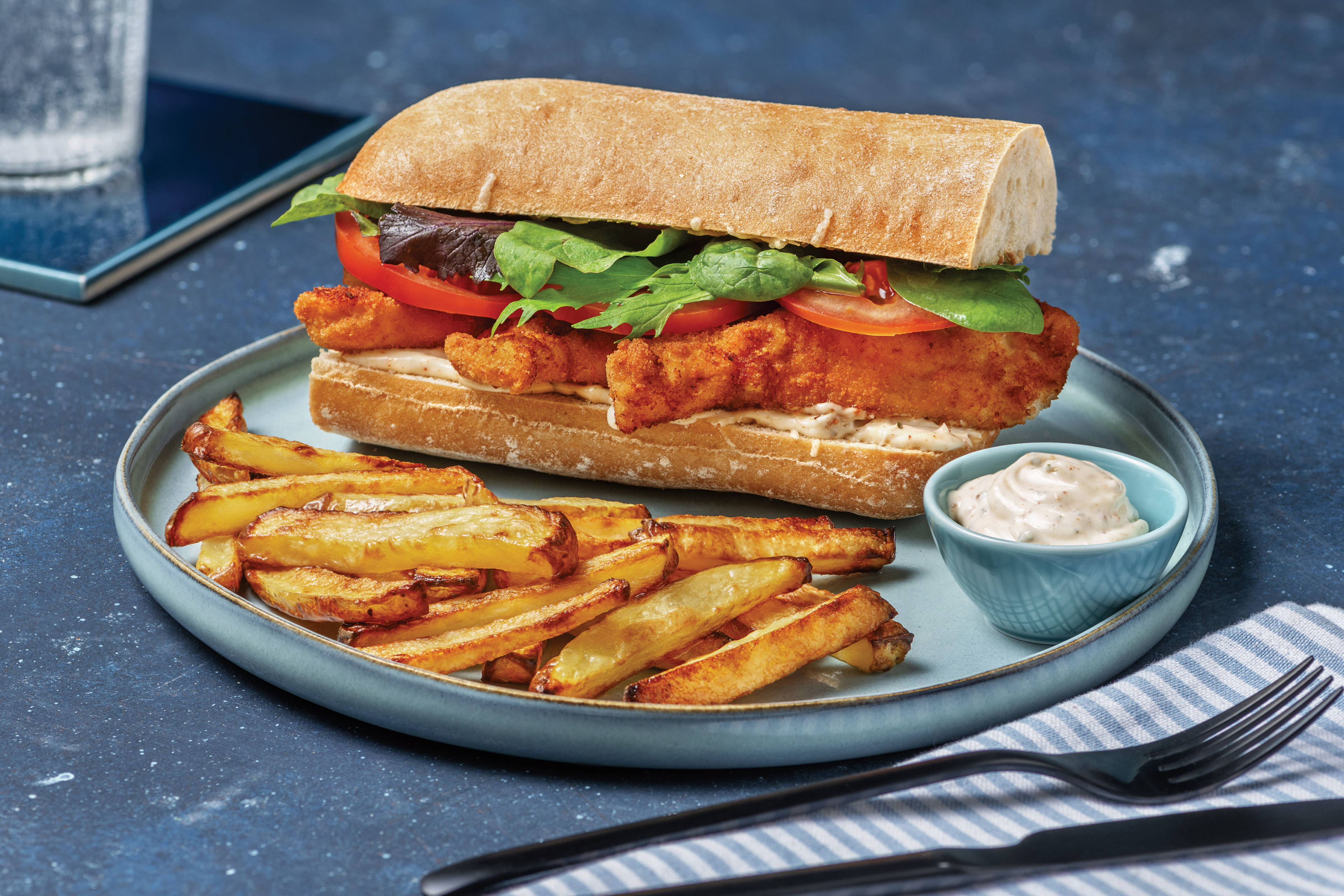
There are so many options for delicious sandwich-filling ideas. Here are some of our favourite sandwich recipes that we are sure you’ll love.

Best Rated Sandwich Recipes

Our "Best" recipes are ranked using a weighted methodology that considers recipe ratings, review volume, and overall recipe performance to surface recipes consistently loved by home cooks.

Quick and Easy Sandwich Recipes

Our "Quick & Easy" recipes feature meals with a cook time of 30 minutes or less, selected to help home cooks prepare flavorful meals with less time in the kitchen.

Get inspired

Who Invented the Sandwich?

Who Invented the Sandwich?

While historians don’t have a date for the invention of the sandwich or specific information on who invented the sandwich, we know that sandwich-style eating has been around since at least the first century BCE. An early record of this is found in the Haggadah, which tells the story of the Jewish people’s exodus from Egypt and is the guidebook for the Passover seder. The text notes how rabbi and scholar Hillel the Elder made sandwiches using lamb, bitter herbs and matzah, a type of unleavened bread similar to a cracker.

This record meshes with the long history of Middle Eastern and Mediterranean cuisines featuring meats and other foods on flatbreads—a predecessor to pizza as well as a variation on the sandwich.

John Montagu, 4th Earl of Sandwich

Why is a sandwich called a sandwich? Though we may not be able to credit anyone as the original sandwich inventor, John Montagu, 4th Earl of Sandwich, is the lucky fellow whom the sandwich was named after.
When was the sandwich invented?

When was the sandwich invented?

The first known use of the word sandwich was found in a November 24, 1762, diary entry by the English historian Edward Gibbon. He writes about seeing men eating “a bit of cold meat, or a Sandwich,” with the uppercase S implying this is from someone’s name.

In the early 1770s, French writer Pierre-Jean Grosley wrote of a scene at a gambling table featuring Sir Sandwich: “A minister of state passed four and twenty hours at a public gaming table, so absorbed in play, that, during the whole time, he had no subsistence but a bit of beef, between two slices of toasted bread, which he eat [sic] without ever quitting the game. This new dish grew highly in vogue during my residence in London; it was called by the name of the minister who invented it.”

While it’s not clear whether the anecdote was true, it did set the association between this convenient meal and the Earl of Sandwich. (The family doesn’t seem to mind—in fact, the current Earl of Sandwich agreed to license his title to a sandwich chain. The word sandwich was used in a British cookbook for the first time in 1773 and in American cookbooks in 1816.

Classic sandwich variations

Classic sandwich variations

While the classic meat-on-bread sandwich is how this concoction began, it’s come a long way since John Montagu sat nibbling on one while gambling. Today, sandwiches come in infinite varieties, from the lamb steak sandwich to the saucy honey chicken sandwich and is a popular choice at events such as a picnic day. But there are a handful of classics that we turn to time and time again:

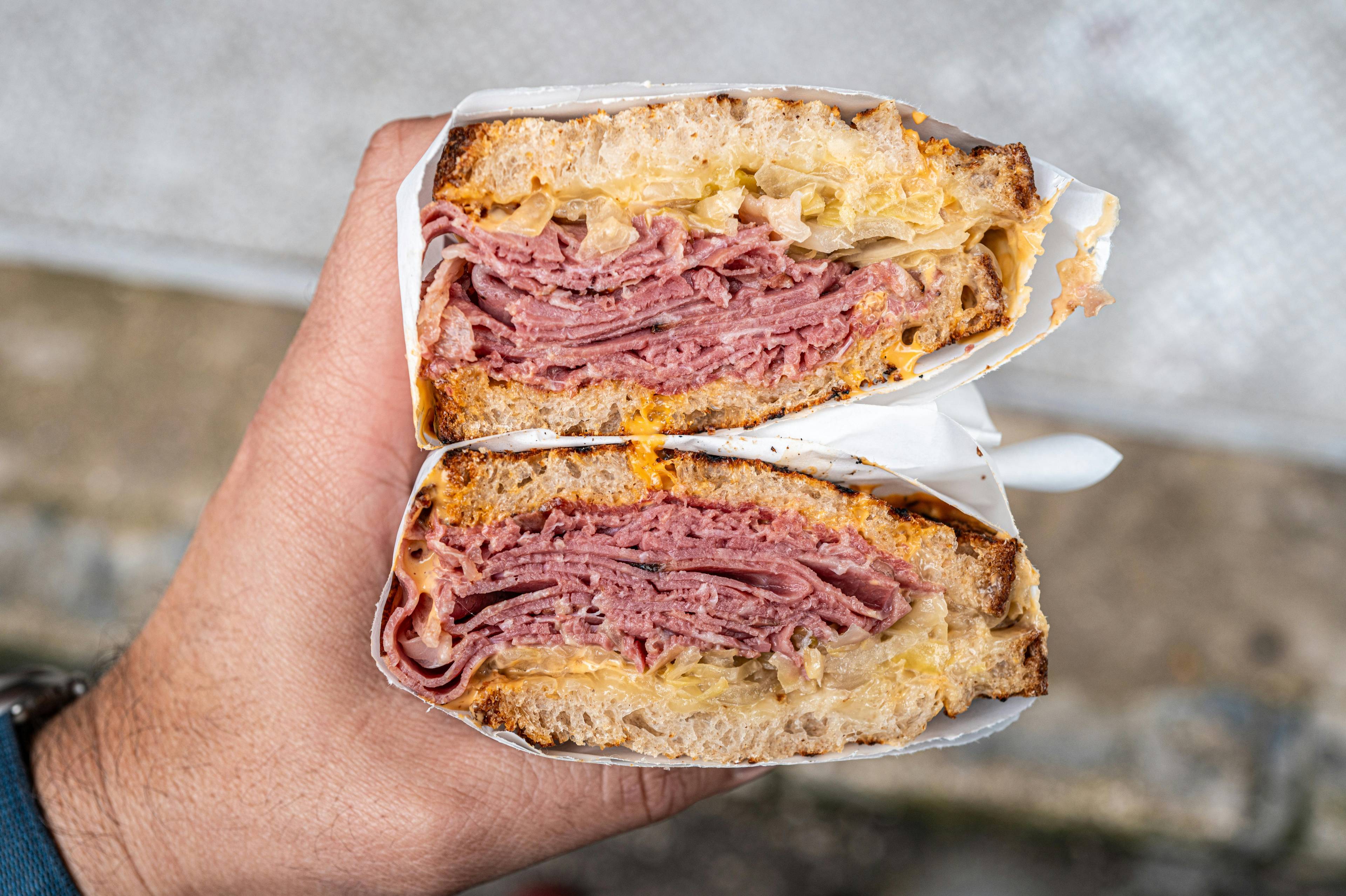
1. The Reuben Sandwich

One of the most popular American recipes, the Reuben sandwich has been a staple dish in many kosher restaurants and delis across the country.

The main ingredients of this sandwich include corned beef, sauerkraut, Swiss cheese and Russian dressing (or Thousand Island as a common alternative), served between two slices of rye bread.

There are many stories about the origins of the Reuben sandwich. One version says it was named after Reuben Kulakofsky, a grocer from Omaha, who ordered a corned beef and sauerkraut sandwich on his way to a poker game in the 1920s.

Another version claims it was named after Arnold Reuben, the owner of a Jewish delicatessen in New York City, who created the sandwich in 1914 to impress Marjorie Rambeau, a visiting actress.

Whatever the true origins of the Reuben sandwich, it has become a favourite sandwich recipe for many who’ve tried it. To make a simple Reuben sandwich at home, take two slices of rye bread, and coat one side each with butter and Thousand Island dressing.

Add corned beef, sauerkraut and Swiss cheese to one slice of bread, then place the other slice on top. Grill the sandwich on both sides until the cheese is slightly melted and the bread is crispy.

2. Peanut Butter and Jelly Sandwich

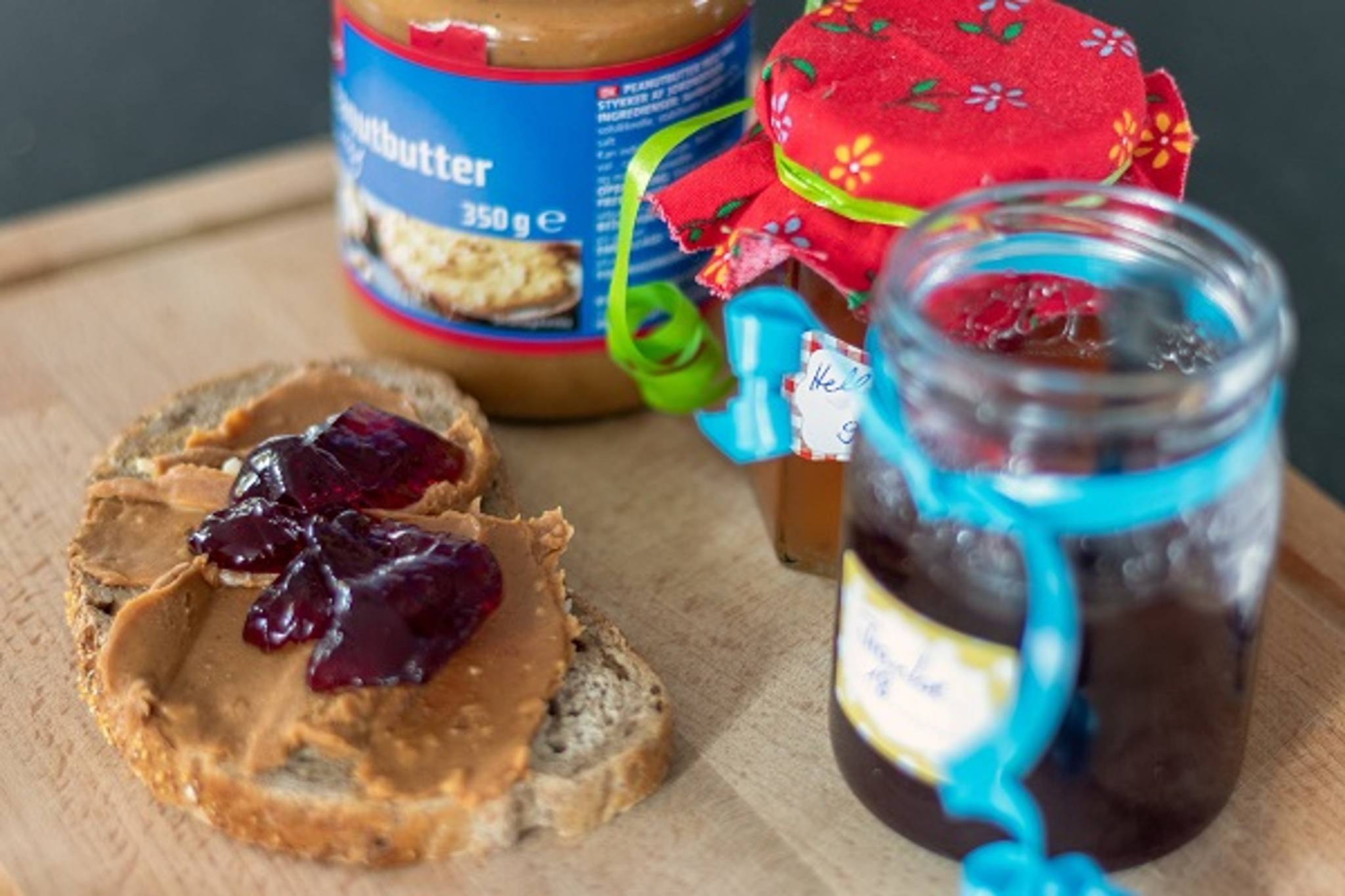
This lunchbox favourite started out as a fancy treat designed to promote good health. The late 19th century saw elegant ladies snacking on small, crustless tea sandwiches at their lunches. Around that time, health food advocates suggested peanut products as a replacement for animal-based foods, so the peanut butter sandwich seemed a perfect fit for lunching those who wanted a healthy option.

The first known recipe for a PB&J sandwich appeared in 1901 via The Boston Cooking School Magazine of Culinary Science & Domestic Economics. And, in the 1920s, manufacturers started mass producing the nutty spread and targeting children as potential customers—hence, its popularity today with the elementary school set as a food that kids love. (Not that adults are immune to the charms of a PB&J.)

3. Grilled Cheese Sandwich

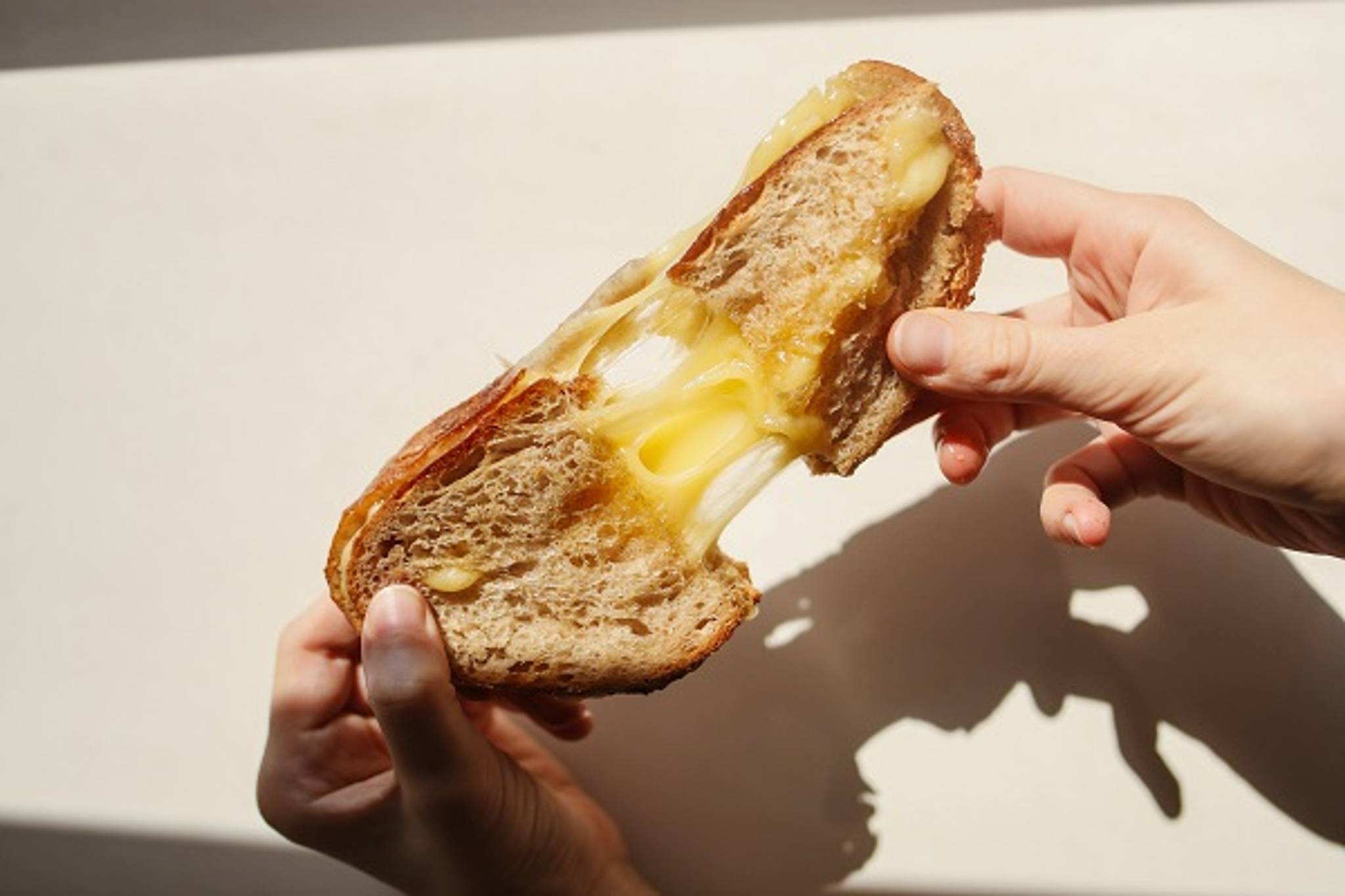
The grilled cheese is one of Australia’s top sandwiches (no wonder—enjoying the contrast of melted cheese and crispy toast is a nice way to spend your time). A grilled cheese is usually made with one or more types of cheese placed between two slices of bread, which are buttered on the outside and then heated on a pan or on a griddle.

While Roman texts contain recipes for similar creations, and the French croque monsieur has been around since the early 1900s, the grilled cheese we know today started in the 1920s. After the invention of a bread slicer that made it easy and affordable to distribute white bread, grilled cheese officially became the greatest thing since sliced bread.

This prototype was made on one slice, making an open-faced sandwich that was called a “cheese dream” during the Great Depression. It sometimes featured ham or bacon with various condiments and spices and was served in tomato sauce for Sunday Supper.

In the 1960s, it became standard to add a second piece of bread to make it more filling. Ultimately, a grilled cheese sandwich can have anything you want in it: tomato, pears, meat, potato chips, or whatever tastes right to you, alongside your favourite melted cheeses and crunchy bread. You can even enjoy it in a burger.

4. Tuna Salad Sandwich

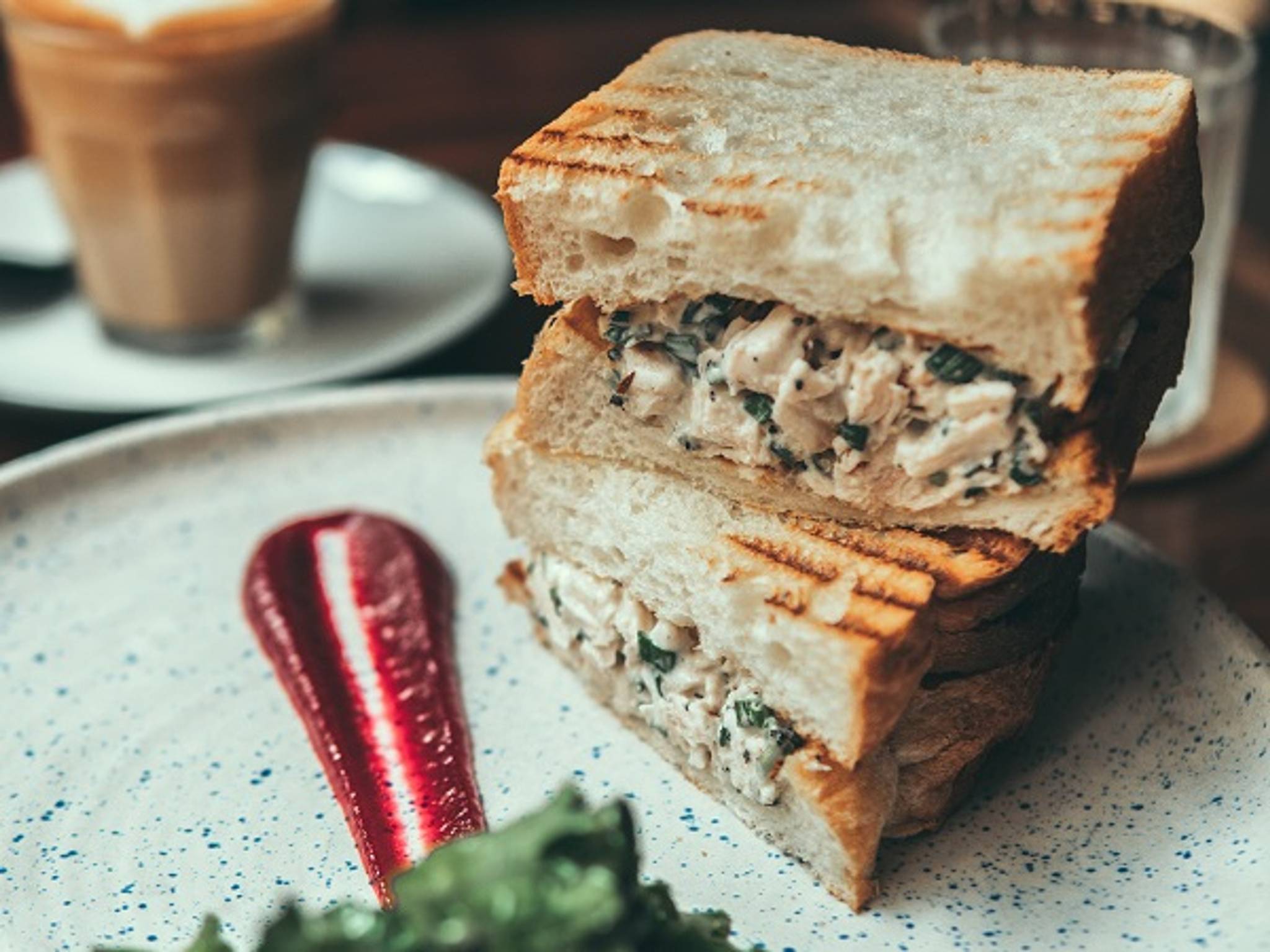
Another Australian classic, this sandwich began with the “salad” part of its moniker, not the “tuna” part. As such, it was a great choice for vegetarian recipes or those on a flexitarian diet.

In the 19th century, thrifty homemakers scrupulously avoided food waste by combining leftovers —often celery, olives, and pickles—with mayonnaise and serving the resulting salad-like relish with lettuce. Fish sometimes entered the picture, but tuna was relatively unknown in Australia.

Fast-forward to the 1920s. Women were entering the workforce in greater numbers, and they needed a quick, on-the-job lunch.

Sandwich counters served up the relish salads their foremothers had created—stuffing it between two slices of bread for a tidier, quicker meal. Around the same time, canned tuna became popular, and the accident of timing resulted in the rise of the tuna salad sandwich.

Enjoy hassle-free home-cooked meals with HelloFresh

Enjoy hassle-free home-cooked meals with HelloFresh

Order today and get up to 40% off plus free extras for eight weeks!

Order HelloFresh