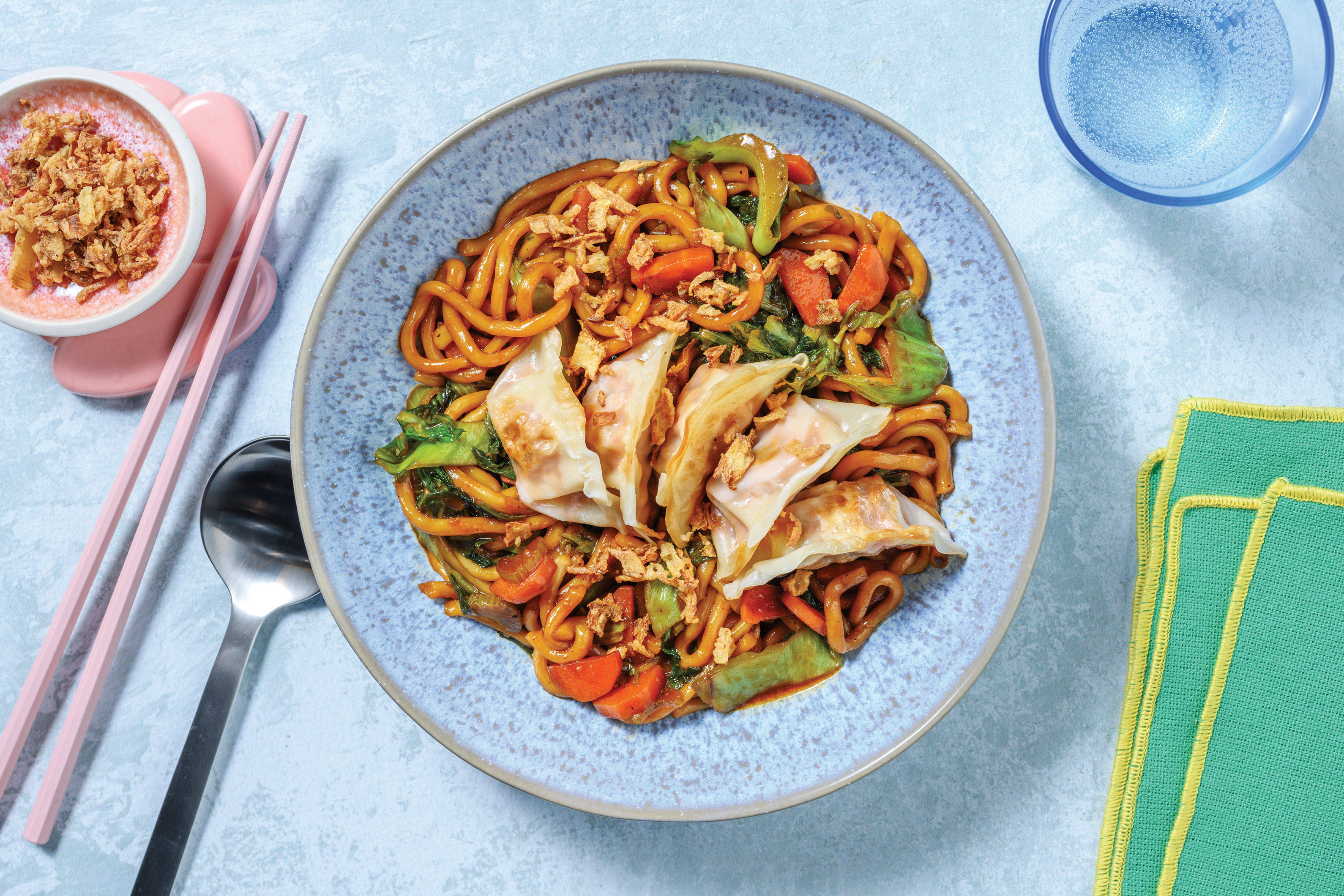
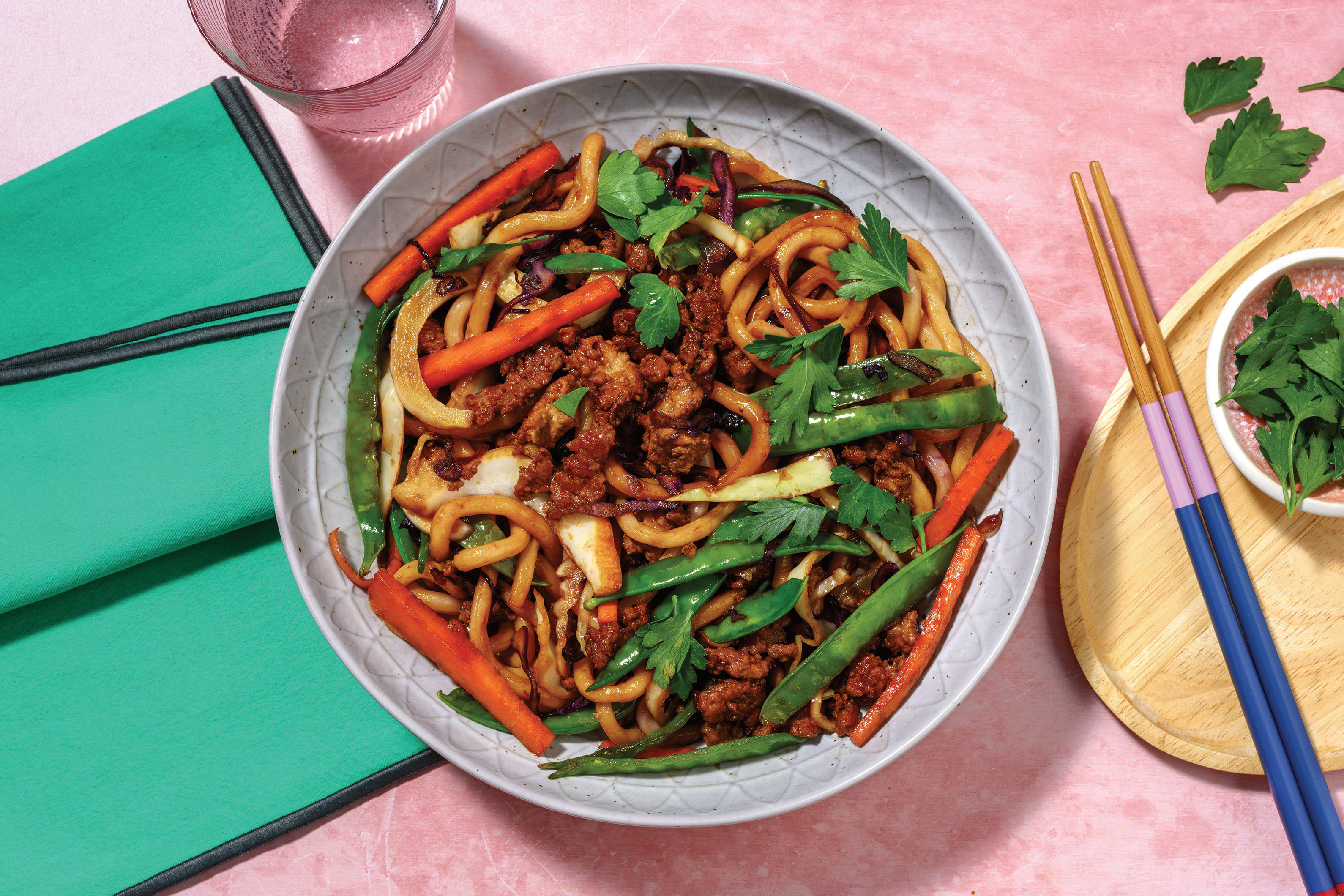
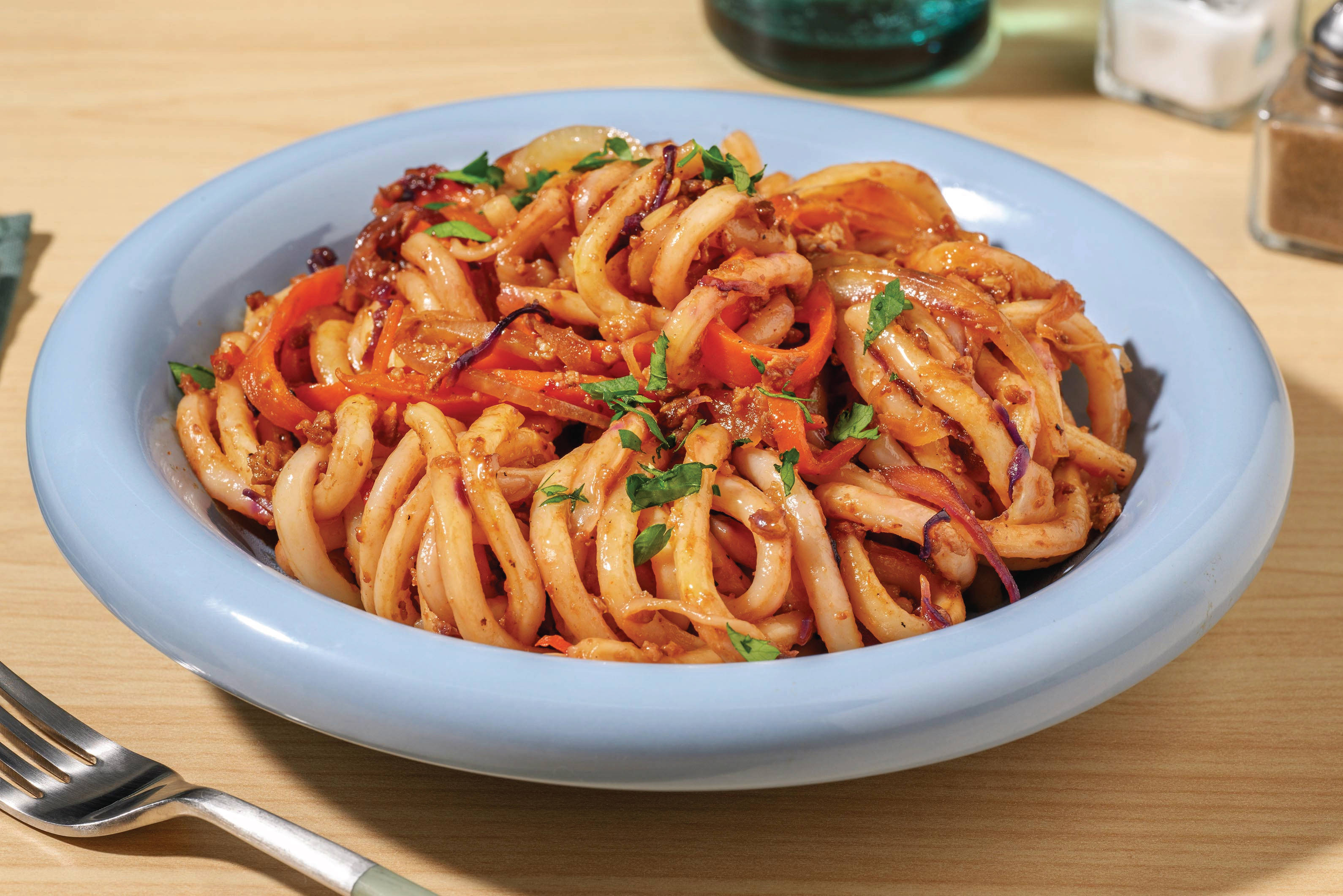
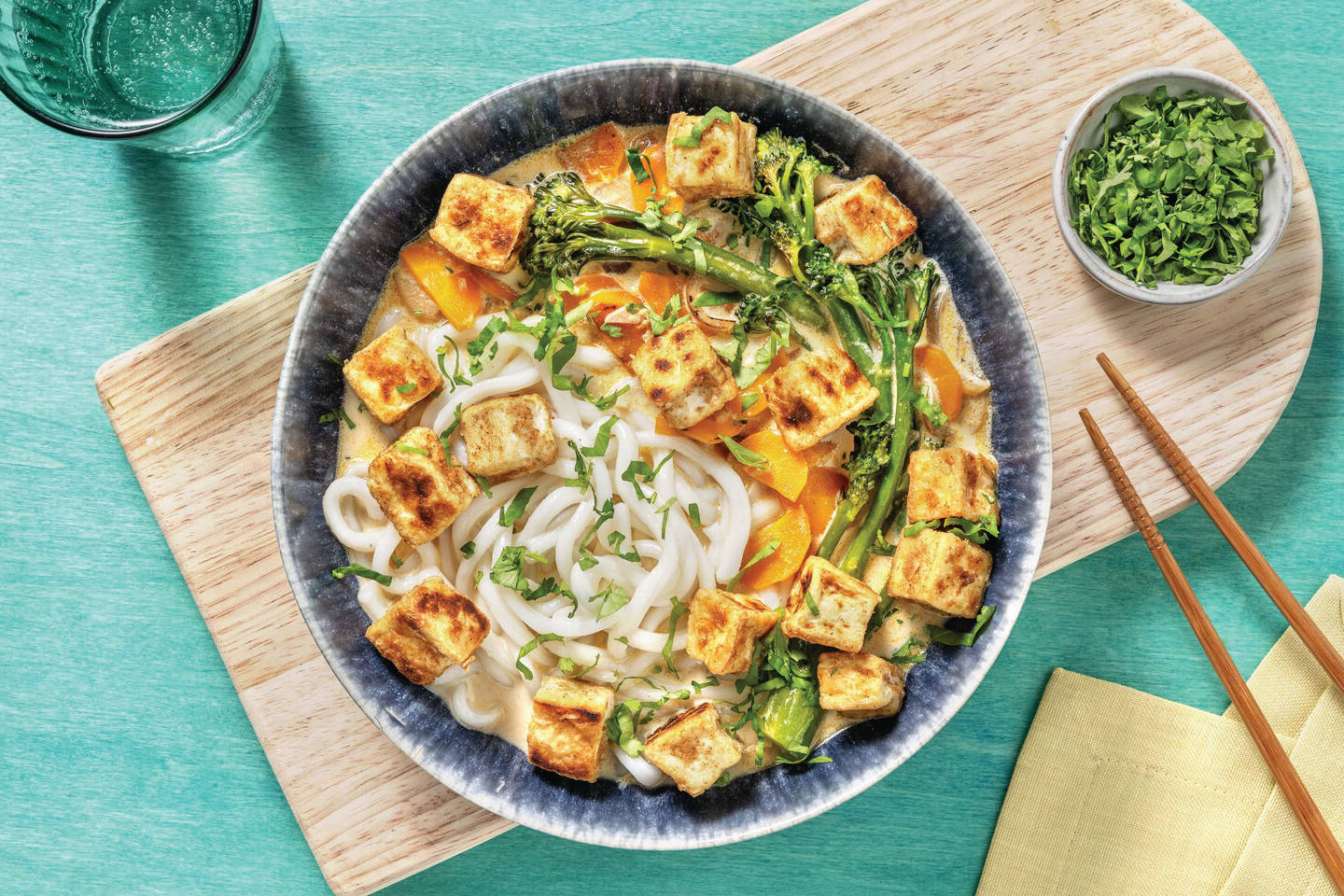
Asian Noodle Recipes

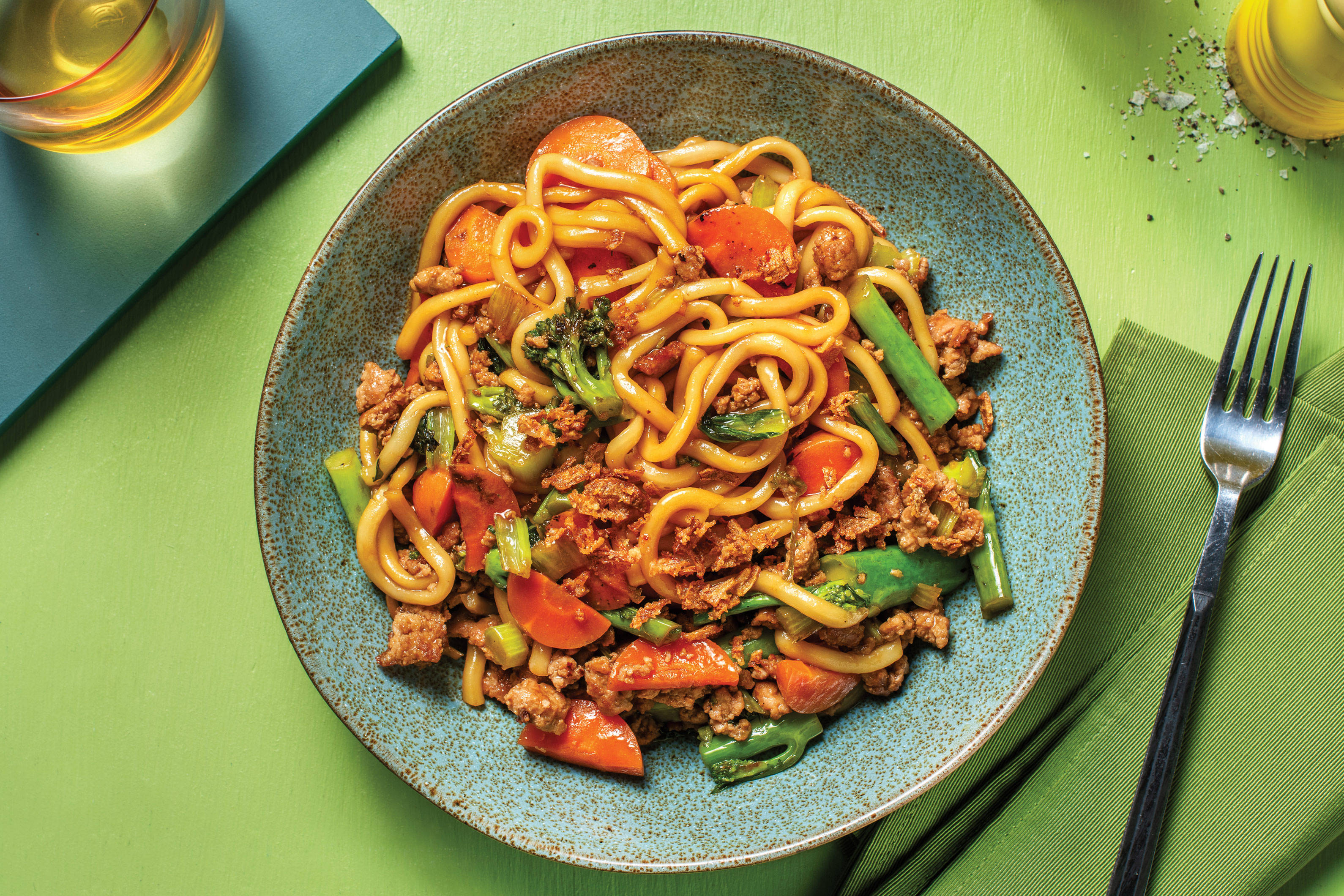
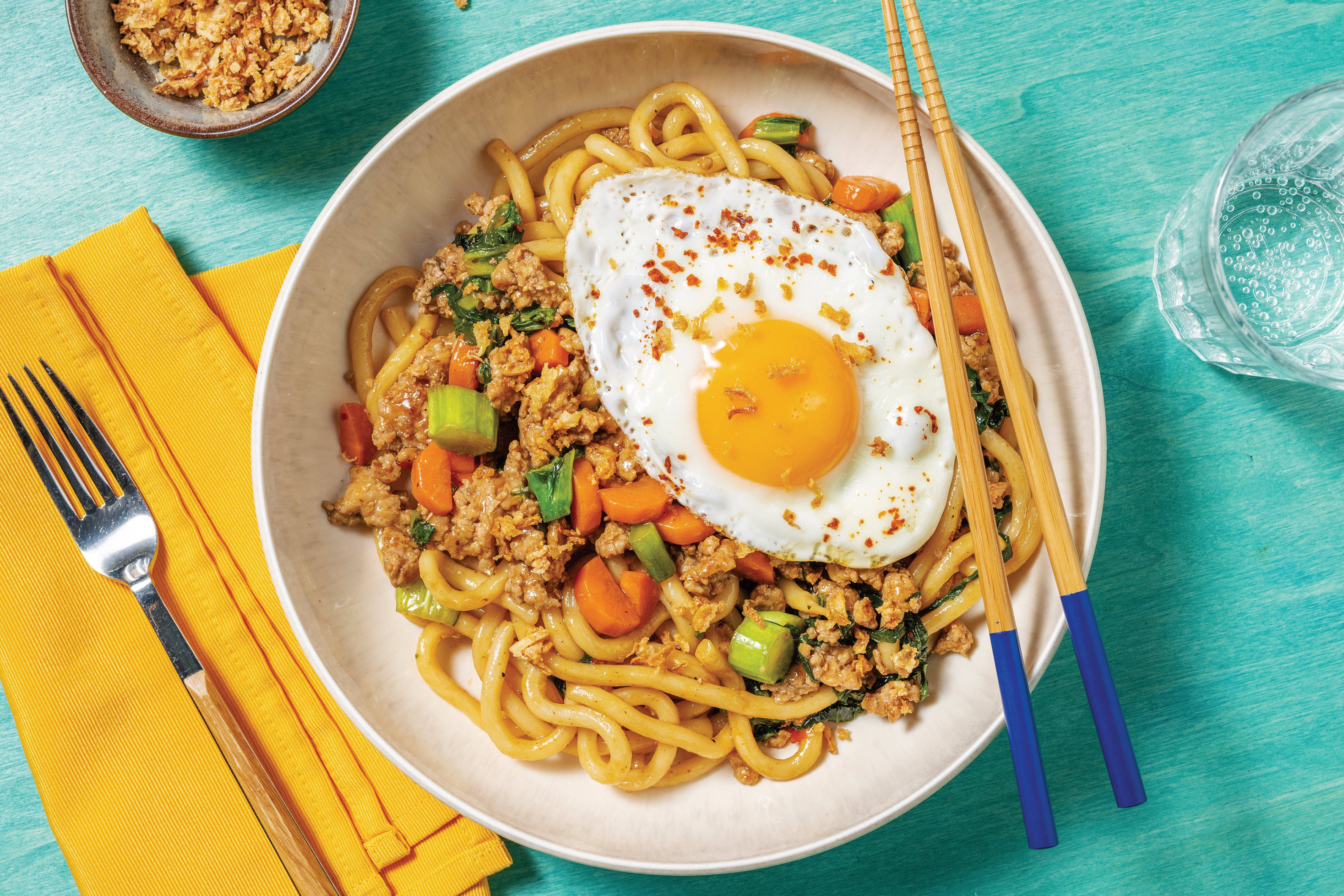
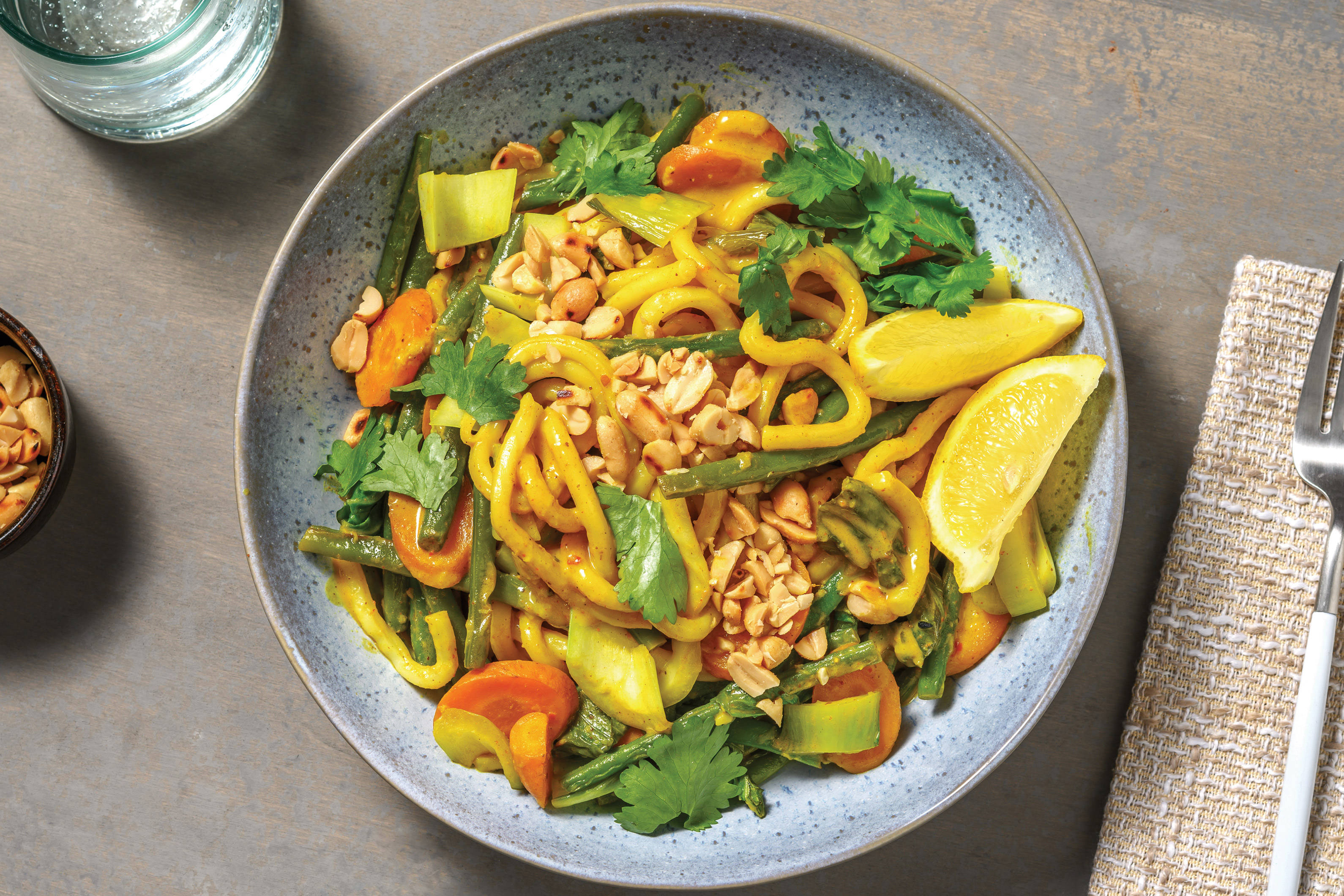
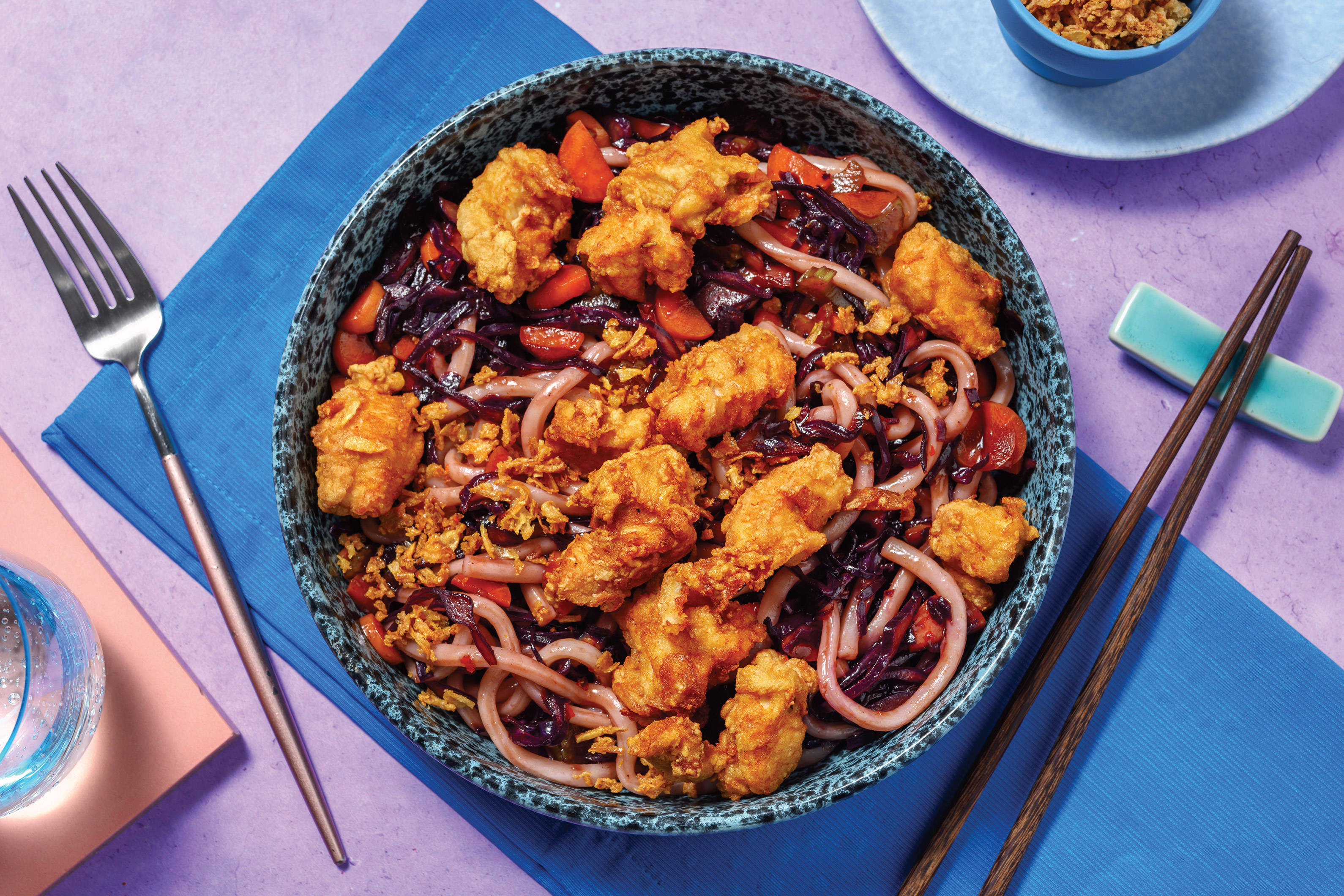
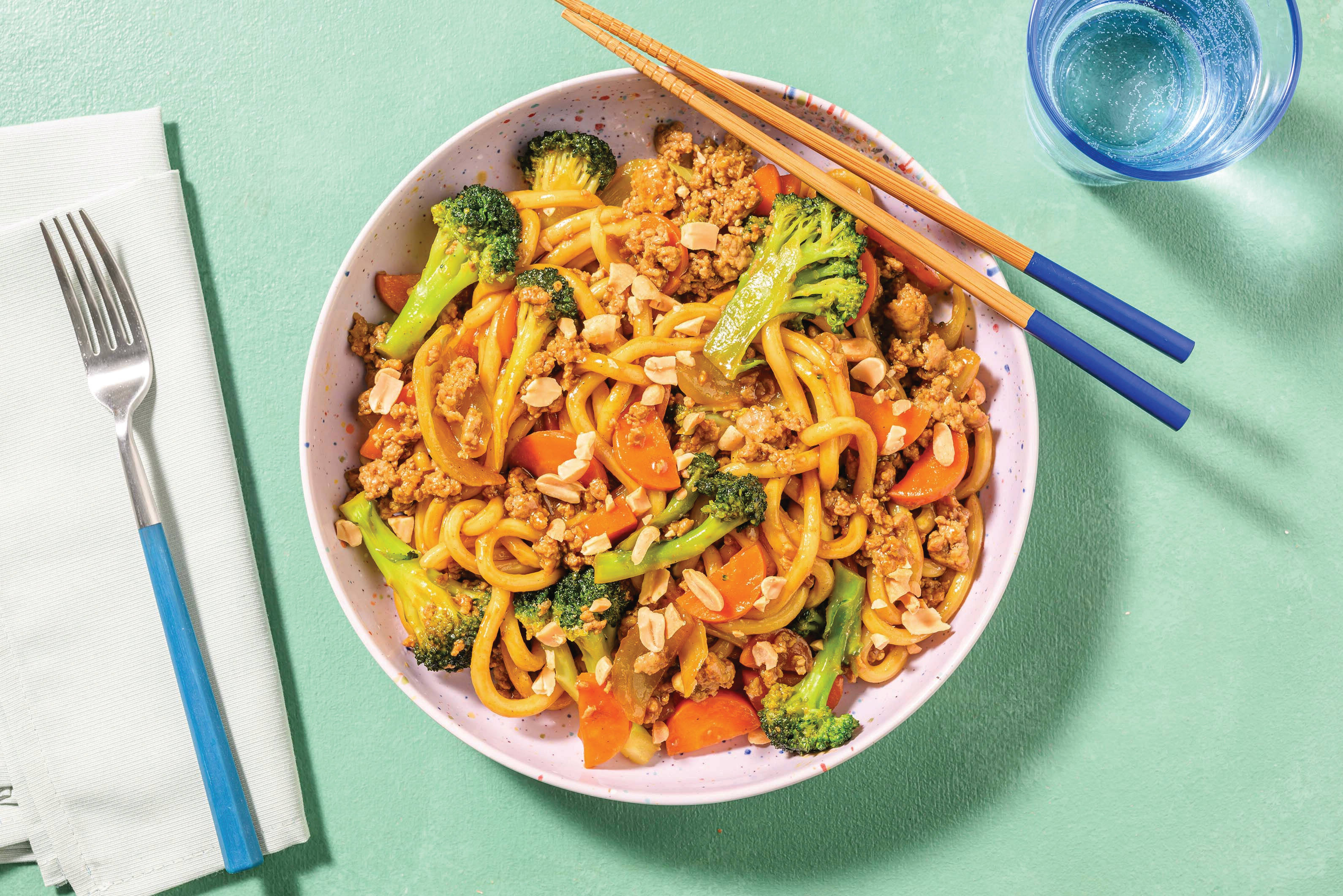
From classic Singapore noodles to popular pad Thai noodles, we have the perfect selection of noodle recipes to spice up your family dinner. Take a look at these recipes for making great noodle dishes at home.

Get inspired

From Soba to Udon: Discovering Asia's Beloved Noodles

From Soba to Udon: Discovering Asia's Beloved Noodles

When it comes to the world of Asian recipes, one of the most popular staple ingredients is noodles. Noodle recipes have been part of Asian culinary culture for thousands of years. Today, there are many varieties of noodles to choose from, each offering its own unique flavours and textures. Here are some popular varieties of Asian noodles.

Ramen: A common ingredient in many Japanese recipes, ramen noodles are made from wheat, salt and water. An alkalising agent is added to the mix, which turns them into long strands of thin, stringy noodles, perfect for ramen dishes.

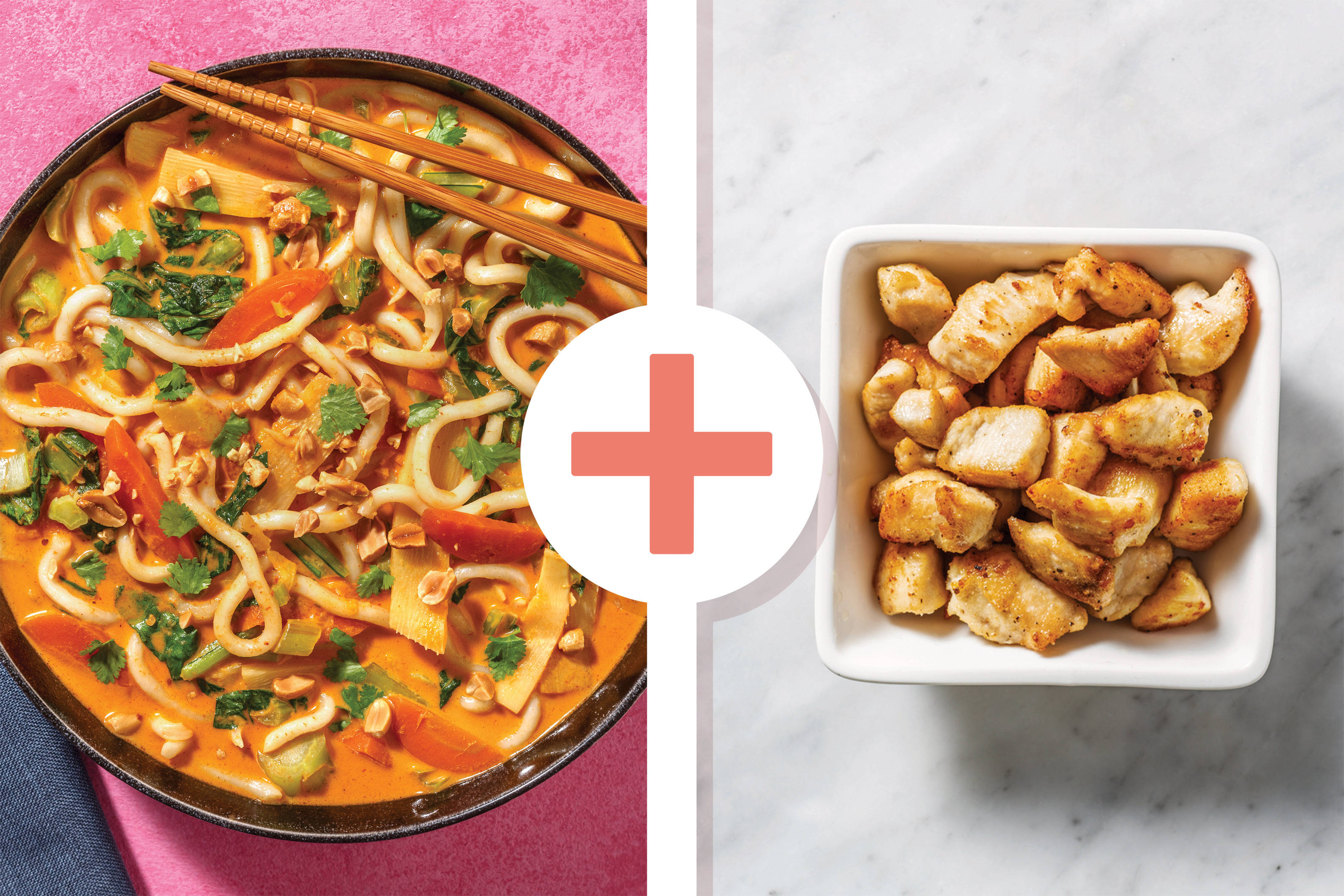
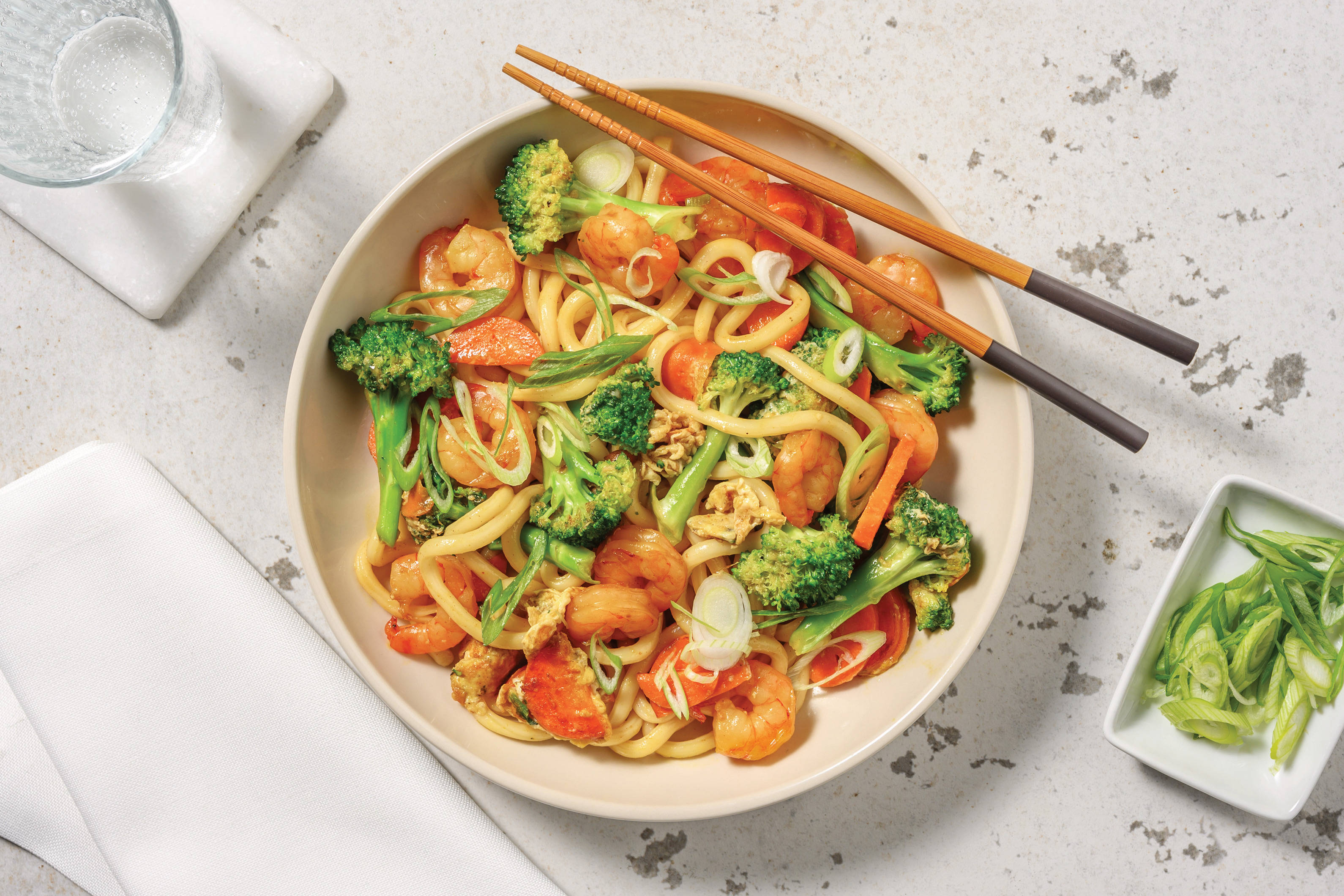
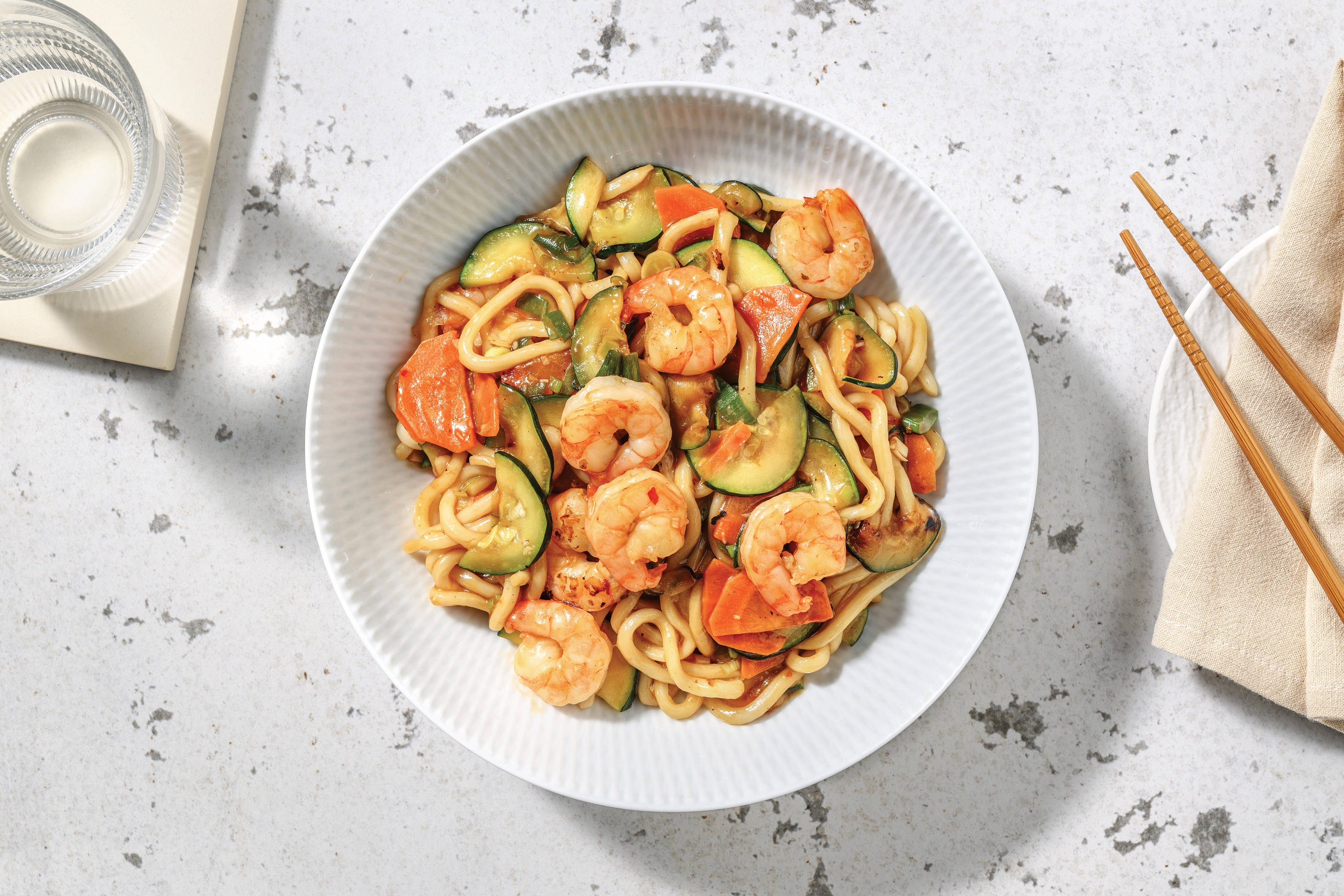
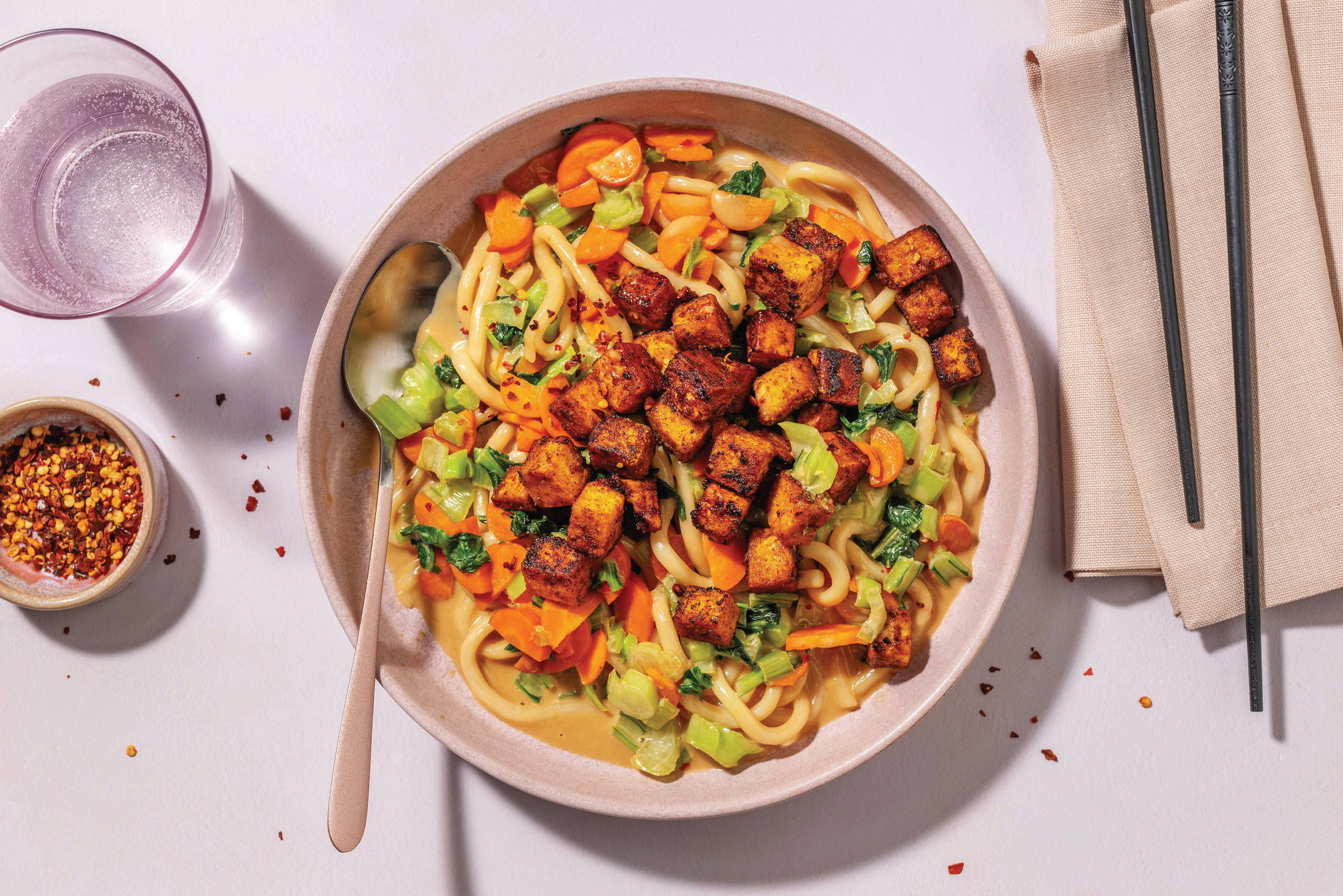
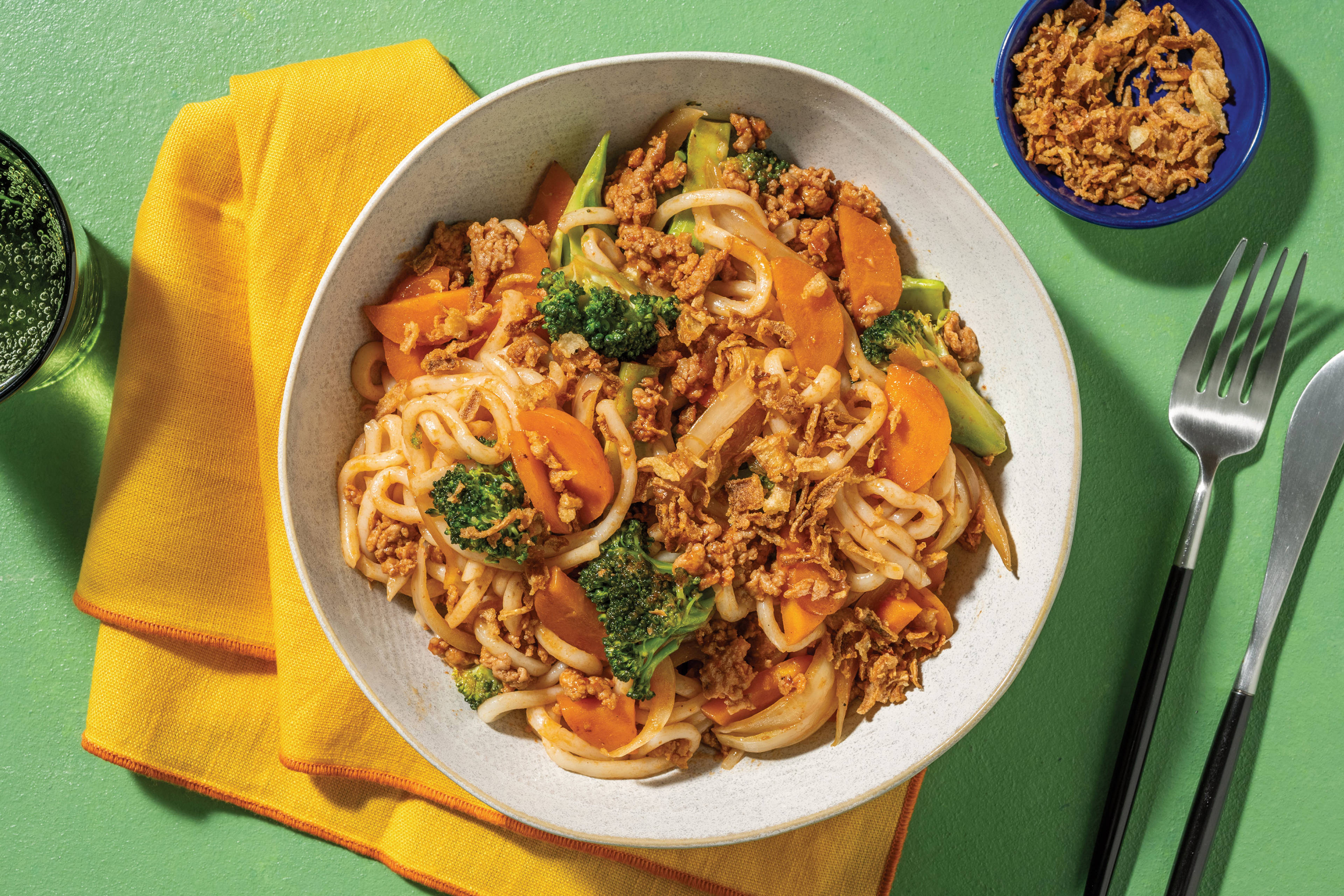
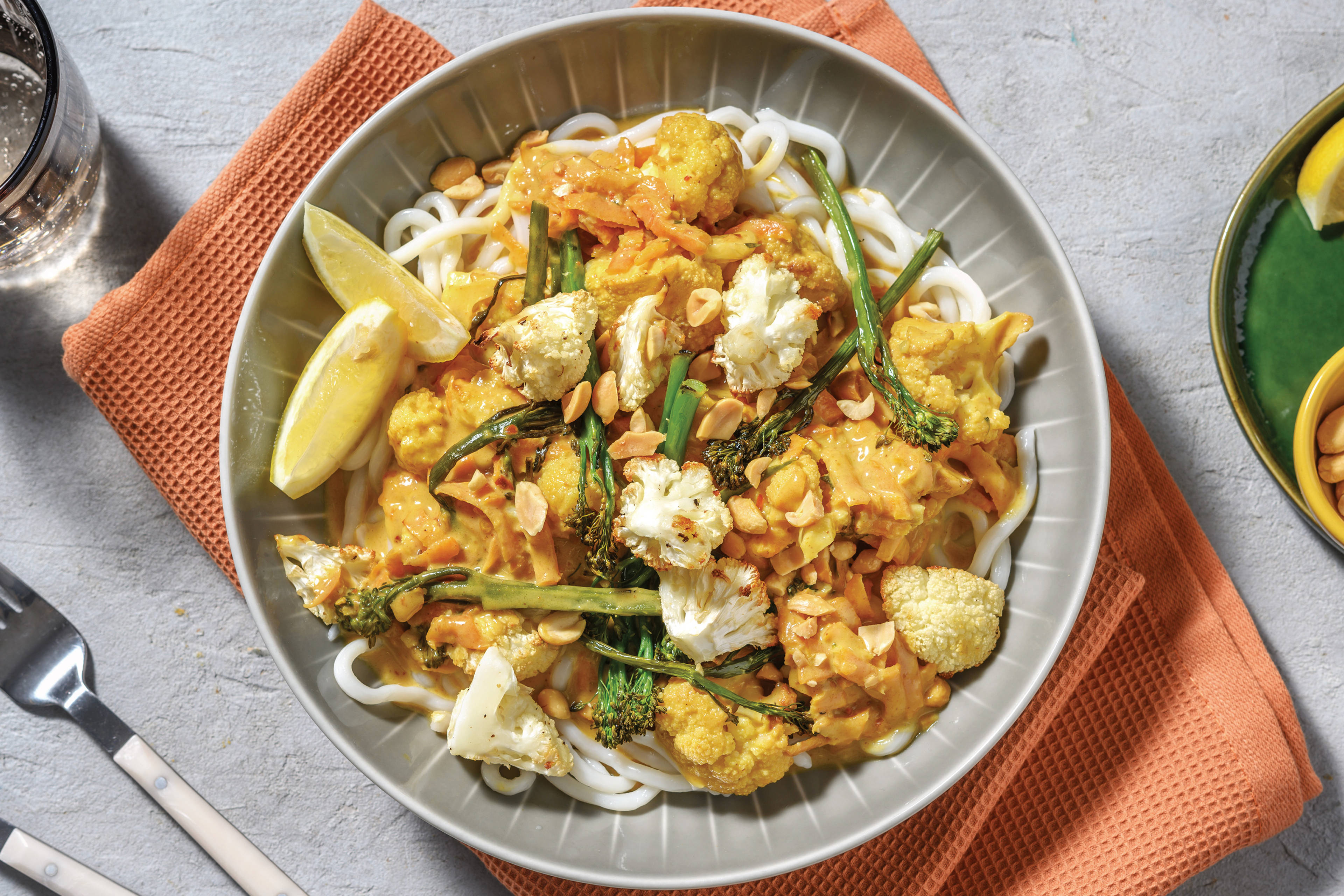
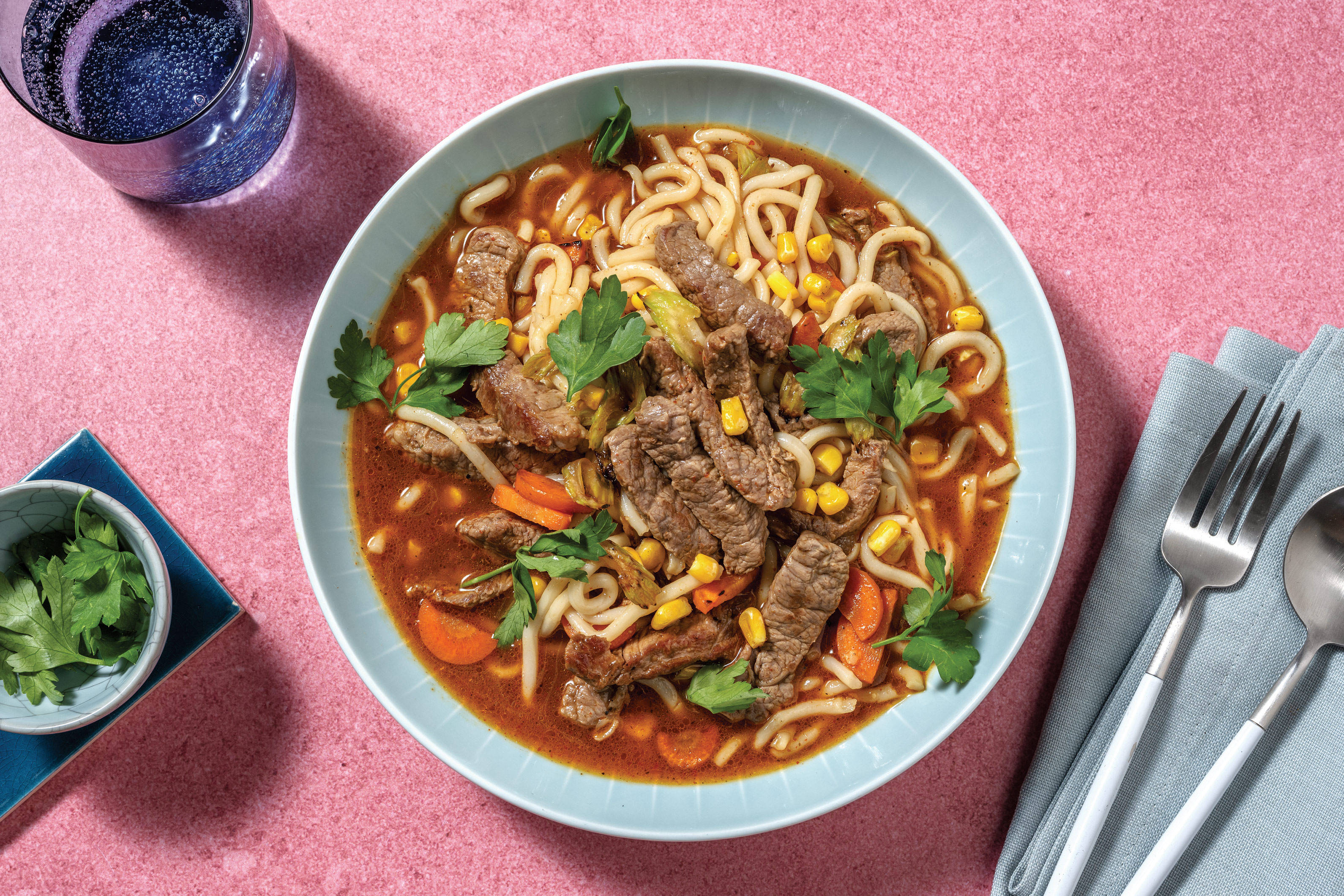
Udon: Another staple of Japanese noodle dishes, Udon noodles are also made using wheat flour. However, udon noodles are much thicker than ramen noodles, and their chewy texture makes them a favourite in soup dishes.

Soba: Served either hot or cold, soba noodles are made from buckwheat. Buckwheat is a seed high in fibre and protein. Soba noodles are darker in colour than many other types of noodles. They also have a nutty flavour combined with a grainy texture.

Vermicelli: One of the most common varieties of rice noodles, thin strands of vermicelli can commonly be found in soup dishes. These noodles are also commonly dried and served with popular Asian dishes, such as spring rolls.

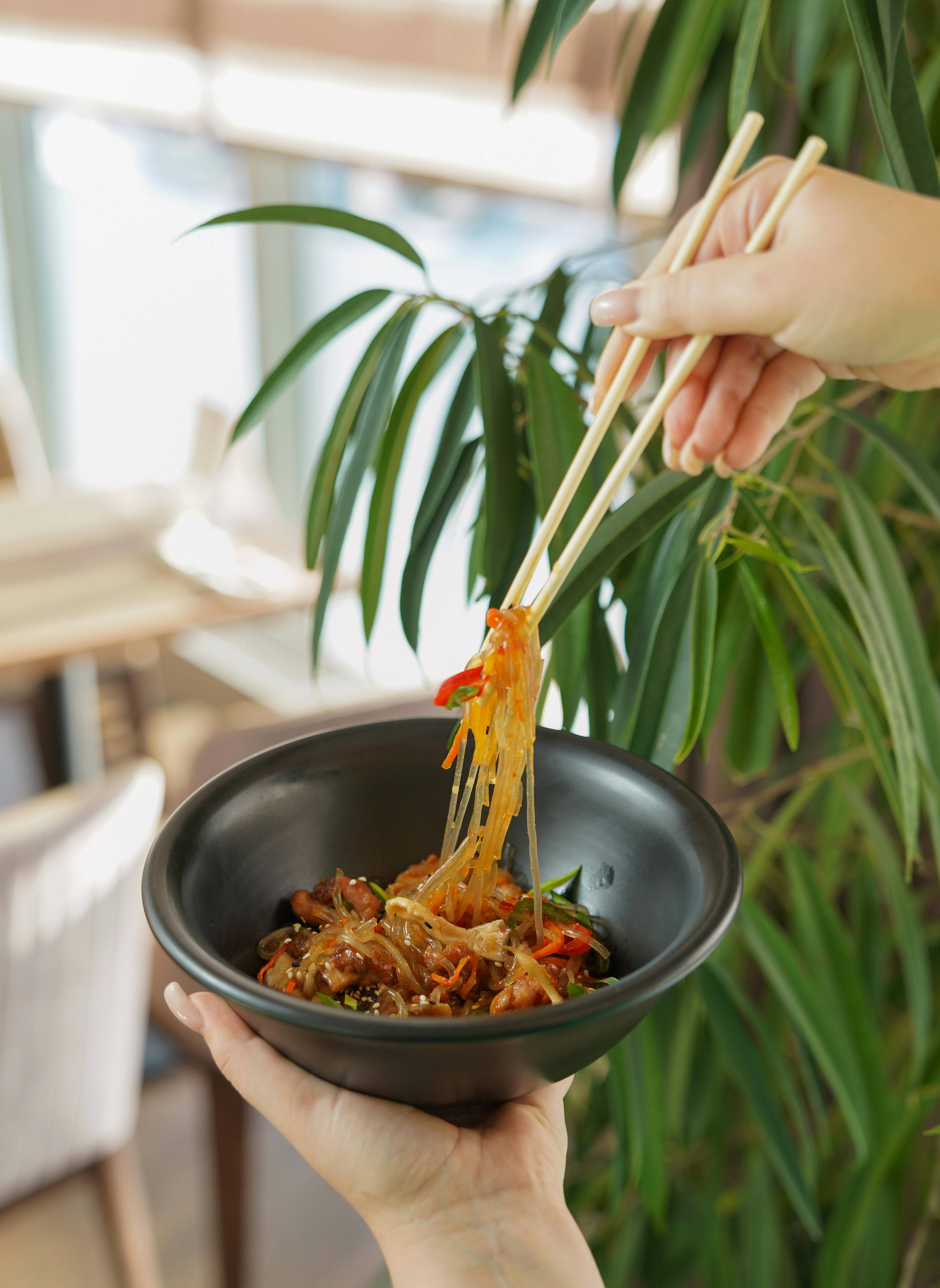
Glass: As the name suggests, glass noodle is a translucent noodle variety made from various starches, like sweet potato and tapioca. They can be found most commonly in Chinese recipes but also in dishes throughout Asia.

Shirataki: Similar to glass noodles, shirataki noodles are round and semi-transparent. Made from a Japanese yam called konjac, these noodles are high in fibre and low in calories, making them a popular alternative in low-carb recipes.

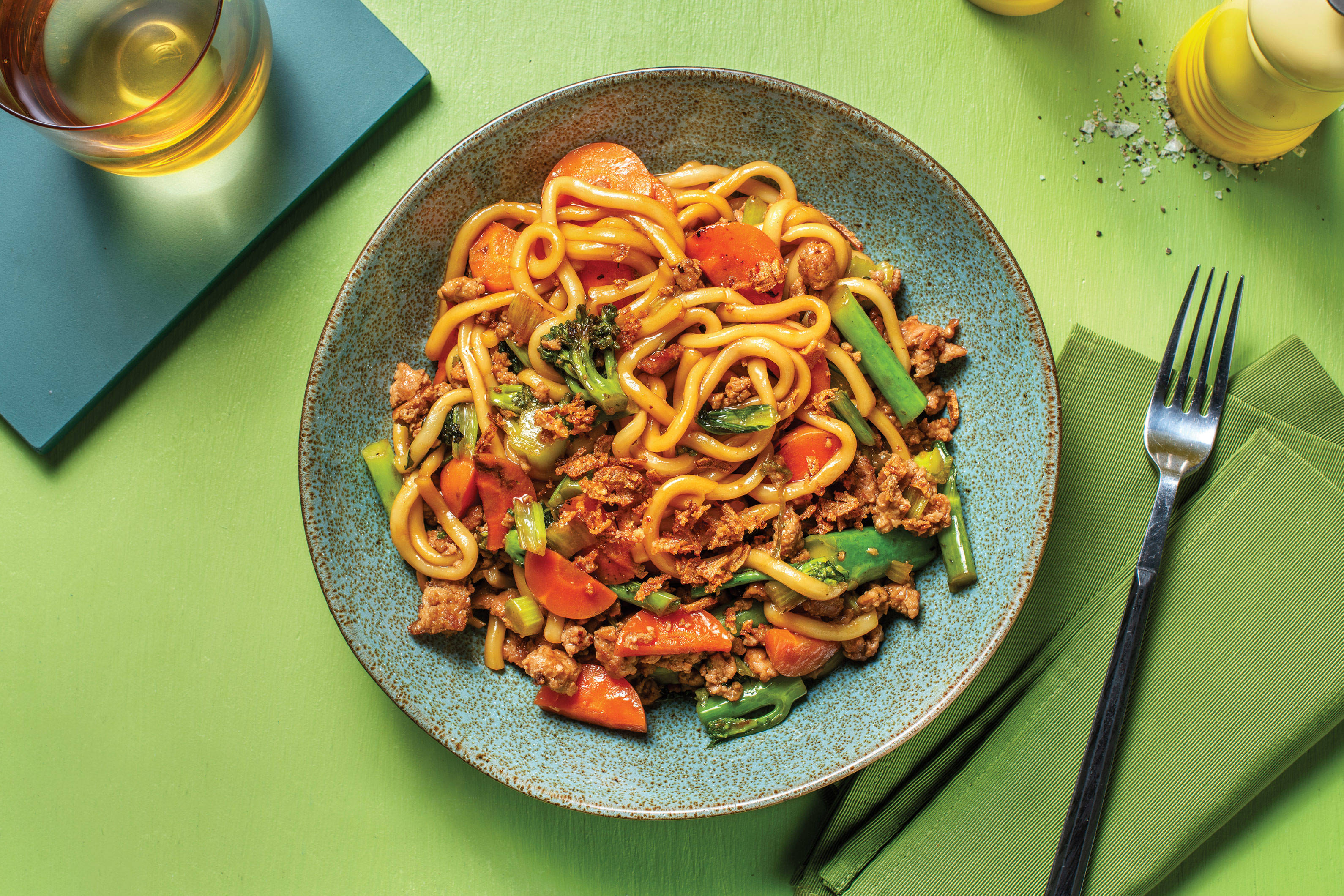
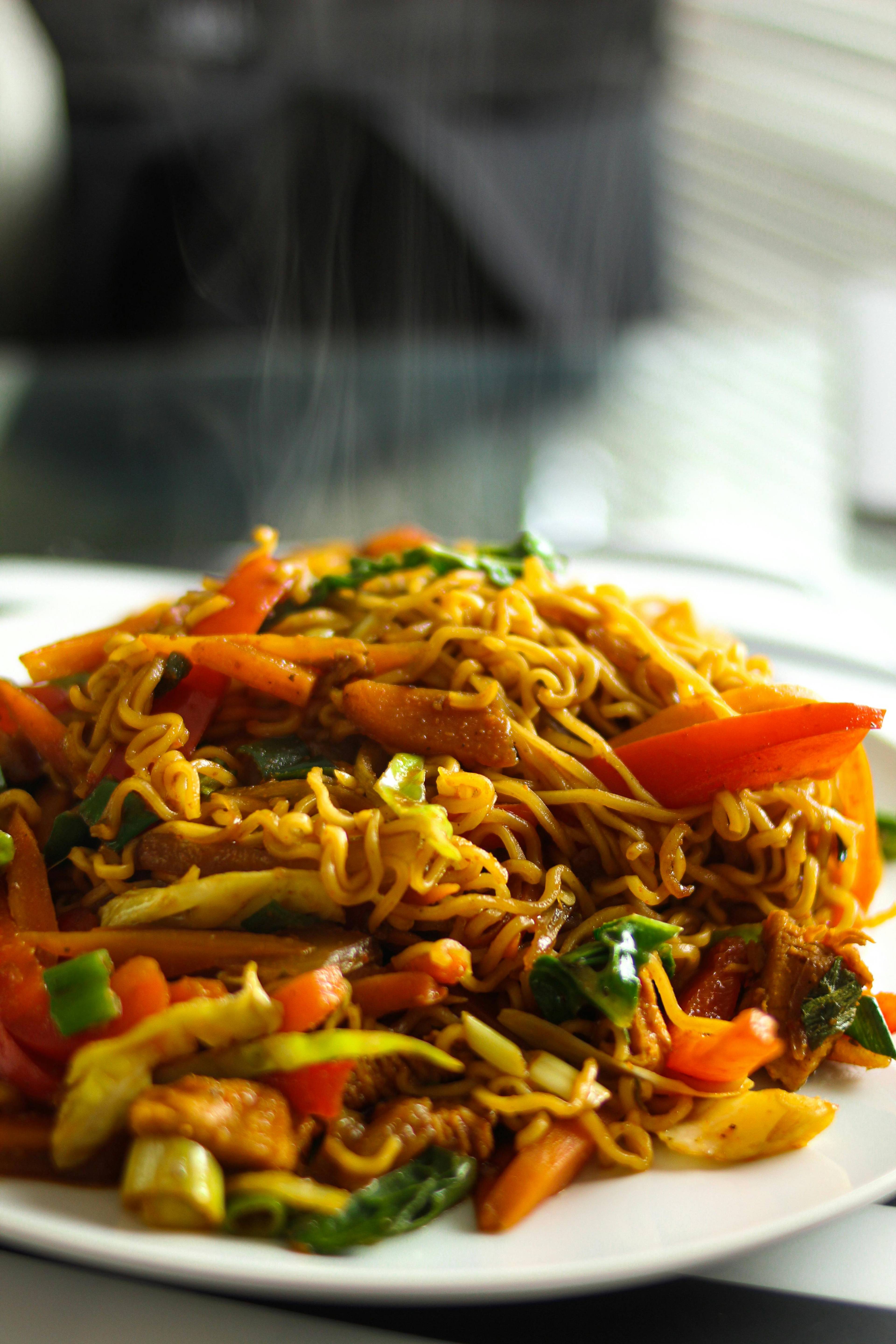
Chow Mein: One of the most popular varieties of wheat noodles in Chinese recipes, chow mein noodles are thick and chewy. The perfect choice to soak up sauces in a stir-fry dish.
Chopstick Chronicles: Mastering the Art of Eating Asian Noodles

Chopstick Chronicles: Mastering the Art of Eating Asian Noodles

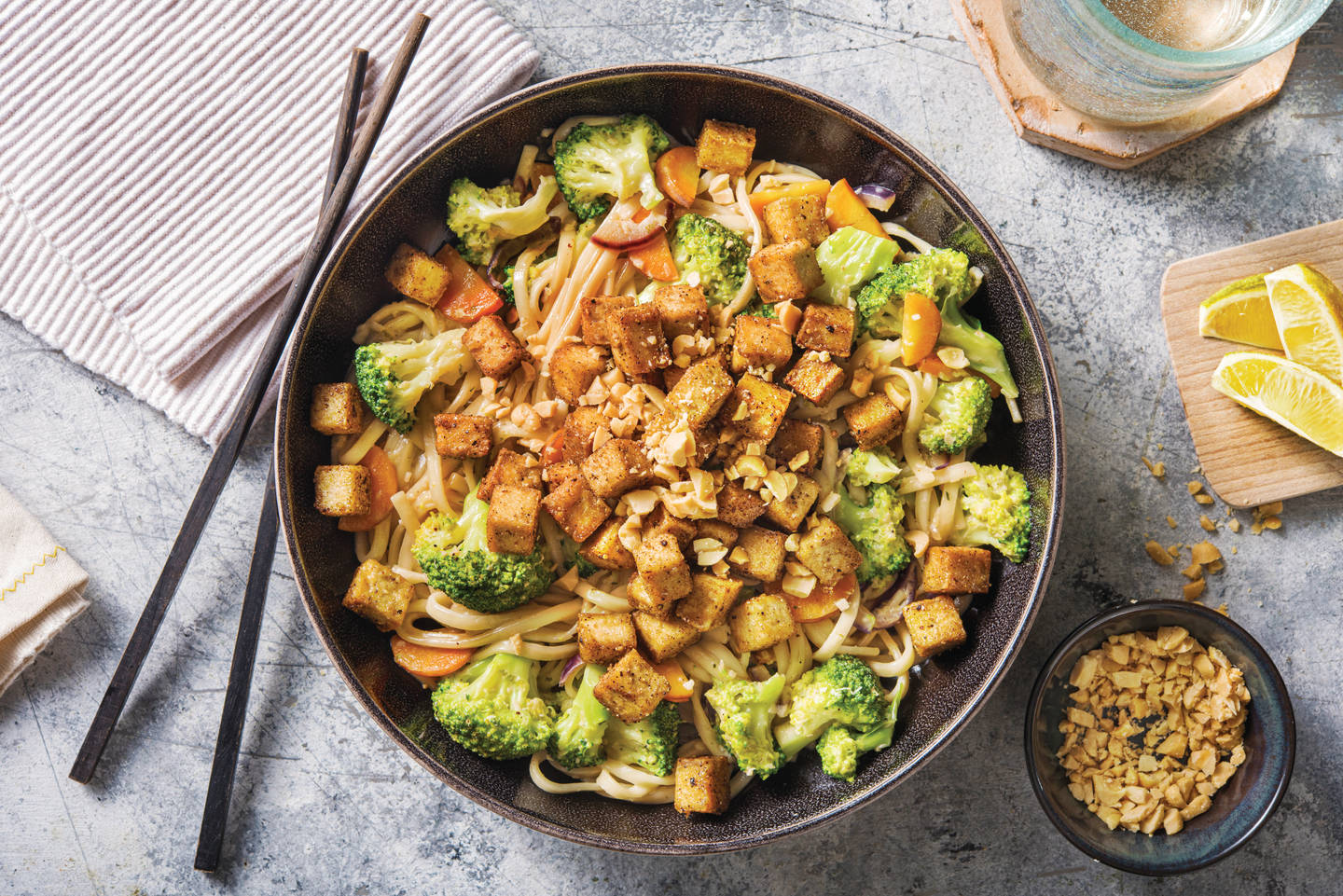
If you’ve ever been to an Asian restaurant and ordered noodles, you’ve probably encountered chopsticks. Chopsticks are a traditional Asian eating utensil, and you’ll often see people eating noodle dishes using these implements. If you haven’t used chopsticks before, then don’t worry: here’s our guide to using chopsticks, so now you can enjoy Asian noodles the traditional way.

Holding Chopsticks: The first thing to learn is how to properly hold the chopsticks. Take one chopstick in your hand and place it between your thumb and the knuckle of your ring finger. The narrow point of the chopstick should be pointing downwards from your hand. Then take the second chopstick and place it parallel to the first, resting on the knuckle of your middle finger. Grip the second chopstick between your thumb and index finger while ensuring it remains resting on the middle finger.

Moving Chopsticks: Once you have the right grip on your chopsticks, you can try moving them. The first chopstick should remain stationary, while the second should move in and out based on the movement of your index finger. Make sure the points of the two chopsticks meet, but don't cross over when you move your finger inwards. Practice holding and moving the chopsticks until you feel confident enough to try eating with them.

Eating the Noodles: With chopsticks in hand and a bowl of noodles in front of you, it is time to test out your newfound skill. Try to grip a small portion of the noodles with your chopsticks like a pincer. Then, carefully bring the portion from the bowl to your mouth and slurp it in. Keep practising this way, and you’ll soon be eating Asian noodles like a pro. Remember, you can easily practice your chopstick skills at home with a delivery of a cooking box from HelloFresh at any time.

Chow Mein vs. Lo Mein Noodles: What’s the Difference?

Chow Mein vs. Lo Mein Noodles: What’s the Difference?

What Is Chow Mein?

“Chow mein,” which translates to “fried noodles,” starts with egg noodles—a versatile noodle made with flour and egg, common in many types of global cuisine. (Italian-style pasta may or may not contain egg, but egg noodles always do.) From there, the answer to “What is chow mein?” depends on what kind of cuisine you’re talking about — for instance, Western-style or traditional Chinese.

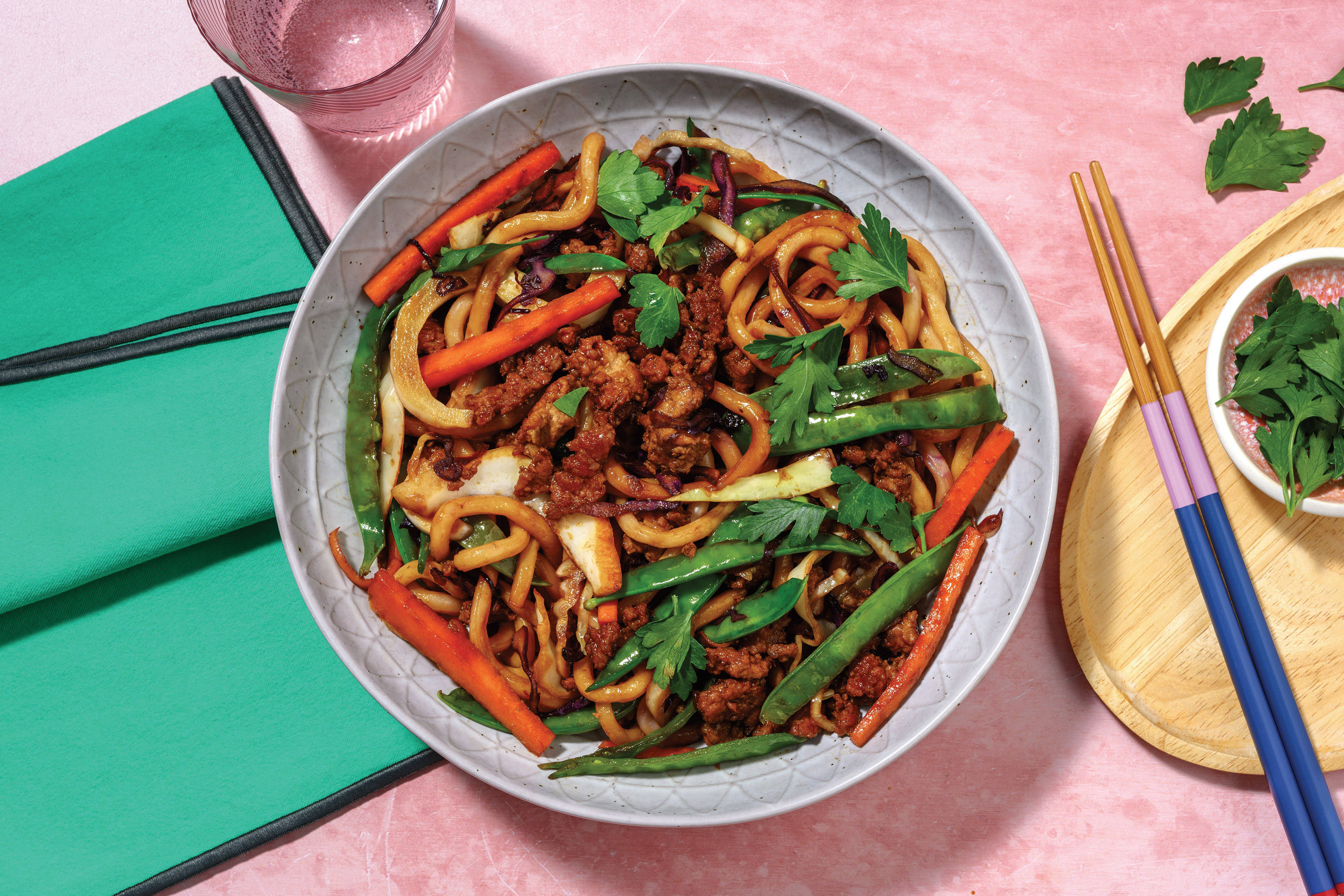
Chow mein sauce is similar to what you’ll find with lo mein, though you’ll often find that prepared chow mein has less sauce in the finished dish. Sauce and noodles are added to the wok with the vegetables. Chow mein noodles usually spend longer in the pan than lo mein noodles —remember, “chow mein” means “fried noodles,” so pan-frying them at the end helps give the dish that savoury fried feel.

What Is Lo Mein?

“Lo mein” translates to “tossed noodles.” As with chow mein, the noodle itself is egg-based. The noodles are boiled or parboiled, then added to a mixture of vegetables and protein cooked in a broth or sauce. The noodles are usually added toward the end of preparing the dish, and then everything is tossed together.

Lo mein uses a sauce, usually featuring some combination of soy sauce, oyster sauce, hoisin, sesame, and sugar or honey. The sauce and noodles are added to the pan with the vegetables, while the noodles are cooked as needed —often times, just a couple of turns in the pan will do if the noodles are fresh.

The Differences between the two

The biggest difference between chow mein and lo mein lies in the translations of their names: chow mein is fried, whereas lo mein is tossed.

The experience is somewhat different between the two. Lo mein tends to be saucier and more toothsome, with a texture some describe as “slippery” because of the noodles’ softness. Chow mein tends to have a greater variety of textures within the dish, thanks to the added texture that comes from frying the noodles.
Both styles of chow mein dishes are stir-fried with vegetables and protein, though vegetarian chow mein recipes abound. Chow mein is usually served with a brown sauce, often soy-based.

Enjoy hassle-free home-cooked meals with HelloFresh

Enjoy hassle-free home-cooked meals with HelloFresh

Order today and get up to 40% off plus free extras for eight weeks!

Order HelloFresh